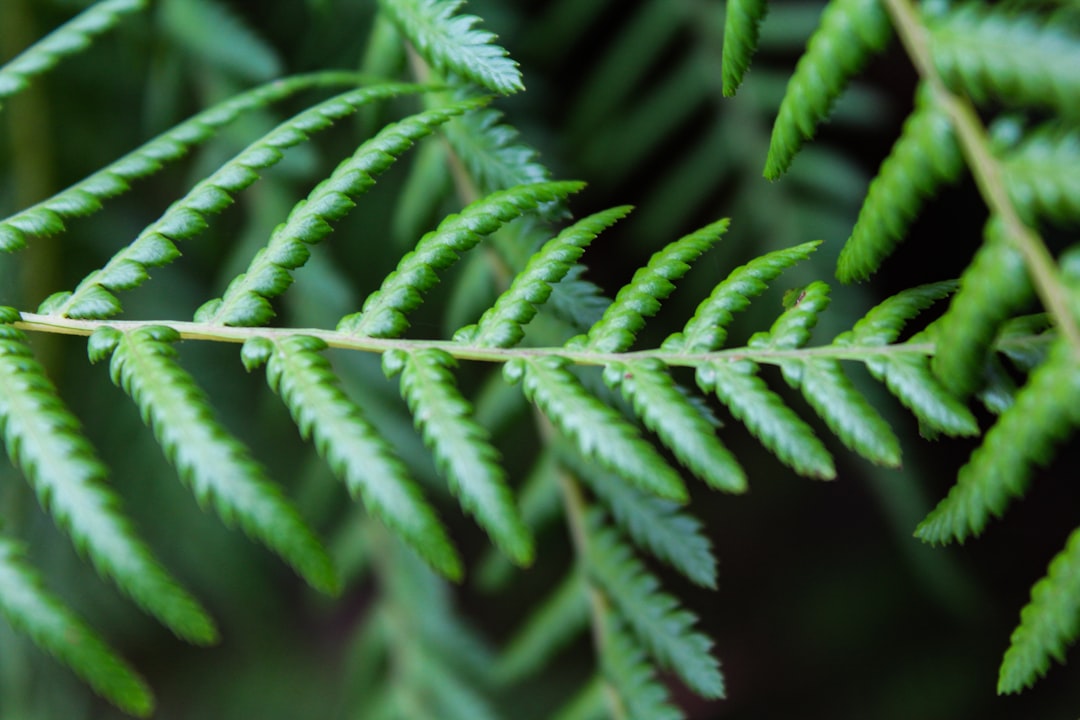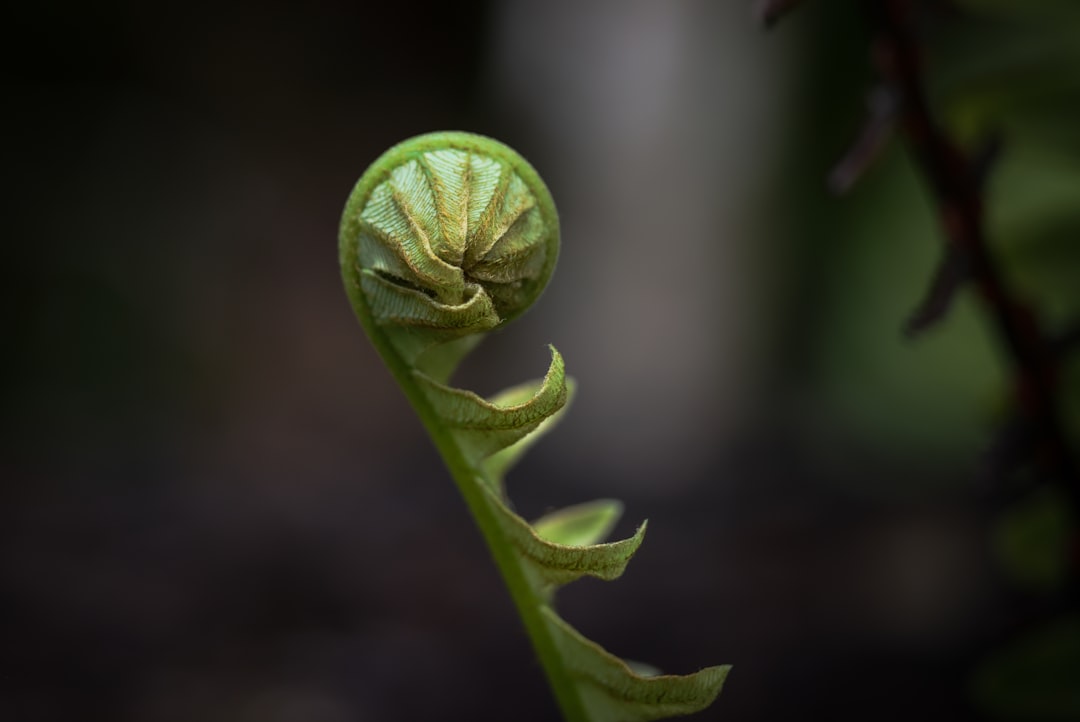
Asplenium bulbiferum, commonly known as Mother Spleenwort, is a fascinating fern that has captured the attention of plant enthusiasts and gardeners alike. Native to New Zealand and parts of Australia, this hardy fern is known for its unique ability to produce small plantlets, or bulbils, on its fronds. These bulbils can easily take root and grow into new plants, making Mother Spleenwort a popular choice for those looking to expand their indoor or outdoor greenery without much hassle.
What sets Asplenium bulbiferum apart from other ferns is not just its propagation method but also its striking appearance. With lush, green fronds that can reach up to 60 cm in length, this fern adds a touch of elegance to any space. Whether you’re a seasoned gardener or just starting out, understanding how to care for this plant can enhance your gardening experience and bring a bit of nature into your home.
Asplenium bulbiferum, commonly known as Mother Spleenwort, is a fascinating fern that thrives in various environments, showcasing its resilience and adaptability. For those interested in learning more about this unique plant and its ecological significance, you can explore a related article that delves into its characteristics and care requirements. Check it out here: Plant Kingdom.
Key Takeaways
- Asplenium bulbiferum, also known as Mother Spleenwort, is a popular fern with attractive fronds and bulbils that can be grown indoors or outdoors.
- Choose a location for Mother Spleenwort that provides indirect light, high humidity, and good air circulation to ensure its optimal growth.
- Plant Mother Spleenwort in well-draining soil with a slightly acidic pH, and avoid overwatering to prevent root rot.
- Water Mother Spleenwort regularly, but allow the soil to dry out slightly between waterings, and fertilize it with a balanced liquid fertilizer every 2-4 weeks during the growing season.
- Prune dead or yellowing fronds and remove any pests or diseases promptly to maintain the health and appearance of Mother Spleenwort.
Choosing the Right Location for Mother Spleenwort
When it comes to selecting the perfect spot for your Mother Spleenwort, light conditions are crucial.
This fern thrives in indirect sunlight, making it ideal for locations that receive filtered light.
A north-facing window or a spot under a canopy of trees can provide the right balance of light without overwhelming the plant. Direct sunlight can scorch the delicate fronds, so it’s best to avoid placing it in areas where it will be exposed to harsh rays for extended periods.
Temperature and humidity also play significant roles in the health of Asplenium bulbiferum. This fern prefers a warm environment, ideally between 15°C to 25°C (59°F to 77°F). It’s important to keep it away from cold drafts or sudden temperature changes, as these can stress the plant. Additionally, Mother Spleenwort enjoys humidity levels around 50% or higher. If you live in a drier climate, consider placing a humidifier nearby or grouping it with other plants to create a more humid microclimate.
Planting and Soil Requirements
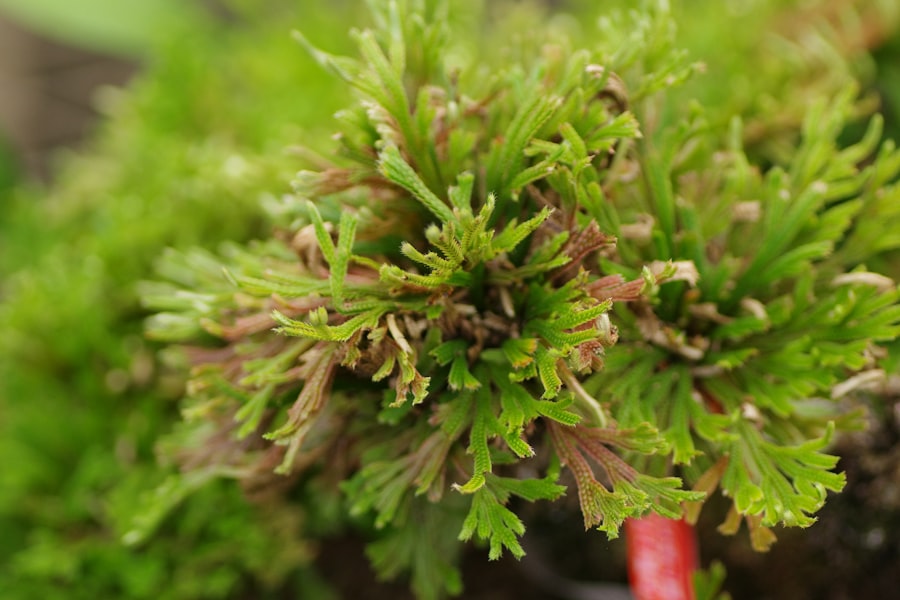
When planting Mother Spleenwort, choosing the right soil is essential for its growth and overall health. A well-draining potting mix is ideal, as it allows excess water to escape while retaining enough moisture for the roots. A blend of peat moss, perlite, and compost works well, providing both nutrients and aeration.
If you’re planting directly in the ground, ensure that the soil is rich in organic matter and drains well to prevent waterlogging. The pot size is another factor to consider when planting Asplenium bulbiferum. If you’re starting with a small plant or bulbils, choose a pot that’s slightly larger than the root ball.
This gives the roots room to grow without overwhelming them with too much soil at once. As the plant matures, you may need to repot it every couple of years to refresh the soil and provide more space for growth.
Watering and Fertilizing Tips
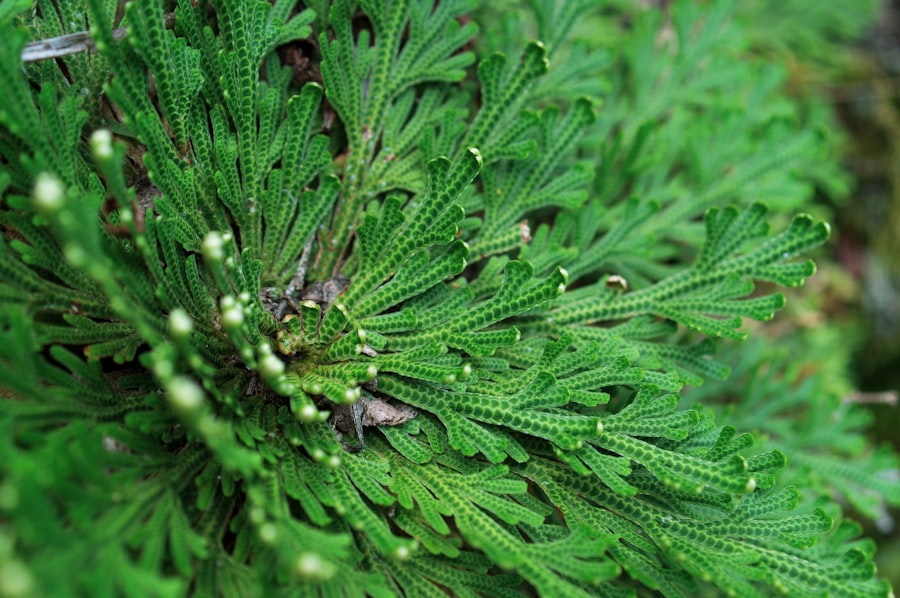
Watering is one of the most critical aspects of caring for Mother Spleenwort. This fern prefers consistently moist soil but can be sensitive to overwatering. It’s best to check the top inch of soil; if it feels dry, it’s time to water. When you do water, ensure that you do so thoroughly until excess water drains from the bottom of the pot. During the growing season, which typically spans from spring to early fall, you may need to water more frequently as the plant actively grows.
Fertilizing your Mother Spleenwort can help promote healthy growth and vibrant fronds. A balanced liquid fertilizer diluted to half strength can be applied every four to six weeks during the growing season. However, be cautious not to over-fertilize, as this can lead to salt buildup in the soil and harm the plant. In winter, when growth slows down, you can reduce or even eliminate fertilization until spring returns.
Asplenium bulbiferum, commonly known as Mother Spleenwort, is a fascinating fern that thrives in various environments, often found in shaded areas with moist conditions. For those interested in learning more about the unique characteristics and care requirements of this plant, you can explore a related article that delves into its habitat and propagation techniques. This resource provides valuable insights and tips for both novice and experienced gardeners looking to cultivate this beautiful fern. To read more, visit this article.
Pruning and Maintenance
| Aspect | Details |
|---|---|
| Common Name | Mother Spleenwort |
| Scientific Name | Asplenium bulbiferum |
| Family | Aspleniaceae |
| Native Region | New Zealand, Australia, and other Pacific Islands |
| Plant Type | Evergreen fern |
| Size | Up to 3 feet in height and spread |
| Light | Partial to full shade |
| Water | Regular watering, well-drained soil |
| Special Features | Produces plantlets on fronds |
Pruning is an essential part of maintaining your Asplenium bulbiferum. Regularly removing dead or yellowing fronds not only keeps the plant looking tidy but also encourages new growth. Use clean, sharp scissors or pruning shears to make clean cuts at the base of the frond. This practice helps prevent any potential disease spread and allows more light and air circulation around the healthy parts of the plant.
In addition to pruning, keeping an eye on your fern’s overall health is vital. Dust can accumulate on the fronds over time, which may hinder photosynthesis. Gently wiping the leaves with a damp cloth can help keep them clean and allow the plant to thrive. If you notice any signs of stress or decline in health, such as wilting or discoloration, take a moment to assess its environment and care routine.
Dealing with Pests and Diseases
Like any plant, Mother Spleenwort can be susceptible to pests and diseases if not properly cared for. Common pests include spider mites, aphids, and mealybugs. Regularly inspecting your fern for any signs of infestation is crucial; look for webbing or sticky residue on the leaves. If you spot any pests, treating them promptly with insecticidal soap or neem oil can help manage the problem effectively.
Fungal diseases can also affect Asplenium bulbiferum, particularly if it’s kept in overly damp conditions. Root rot is a common issue that arises from poor drainage or excessive watering. To prevent this, ensure that your pot has adequate drainage holes and that you’re not watering too frequently. If you suspect root rot has set in, carefully remove the plant from its pot and inspect the roots; trim away any mushy or blackened areas before repotting in fresh soil.
Propagation Techniques
One of the most appealing aspects of Mother Spleenwort is its ability to propagate easily through bulbils. These small plantlets form along the edges of mature fronds and can be removed once they develop roots. To propagate using bulbils, gently twist them off from the parent plant and place them in a small pot filled with moist potting mix. Keep them in a warm, humid environment until they establish themselves.
Another method of propagation involves division. If your Mother Spleenwort has grown significantly large over time, consider dividing it into smaller sections during repotting. Carefully separate the root ball into two or more sections, ensuring each division has healthy roots and fronds attached. Replant these divisions in their own pots with fresh soil and care for them as you would a mature plant.
Conclusion and Additional Resources
Caring for Asplenium bulbiferum can be a rewarding experience for both novice and experienced gardeners alike. With its unique propagation methods and lush appearance, this fern adds beauty and life to any space while being relatively easy to maintain with proper care. By choosing the right location, providing adequate watering and fertilization, and keeping an eye out for pests and diseases, you can enjoy a thriving Mother Spleenwort for years to come.
For those looking to dive deeper into fern care or explore more about Asplenium bulbiferum specifically, there are numerous resources available online and in gardening books dedicated to ferns and houseplants. Joining local gardening clubs or online forums can also provide valuable insights from fellow enthusiasts who share their experiences and tips on growing this lovely fern successfully.
FAQs
What is Asplenium bulbiferum (Mother Spleenwort)?
Asplenium bulbiferum, commonly known as Mother Spleenwort, is a species of fern native to New Zealand and eastern Australia. It is characterized by its long, arching fronds and the small plantlets that grow on the tips of its fronds.
What are the growing conditions for Asplenium bulbiferum?
Asplenium bulbiferum thrives in moist, well-draining soil and prefers shaded or partially shaded areas. It can tolerate a range of soil types, from sandy to clay, and is often found growing on rocks or in crevices.
How do you propagate Asplenium bulbiferum?
Asplenium bulbiferum can be propagated by removing the plantlets that grow on the tips of its fronds and planting them in a separate container. These plantlets will eventually develop into new ferns. Additionally, it can be propagated by spores, which are produced on the undersides of the fronds.
What are the uses of Asplenium bulbiferum?
Asplenium bulbiferum is primarily grown as an ornamental plant in gardens and landscapes. Its attractive foliage and ease of care make it a popular choice for shaded areas. In its native habitats, it also plays a role in the ecosystem by providing habitat for small animals and insects.
Are there any special care requirements for Asplenium bulbiferum?
Asplenium bulbiferum requires regular watering to keep the soil consistently moist, but not waterlogged. It benefits from occasional misting to increase humidity, especially when grown indoors. Additionally, it is important to avoid direct sunlight, as this can scorch the fronds.