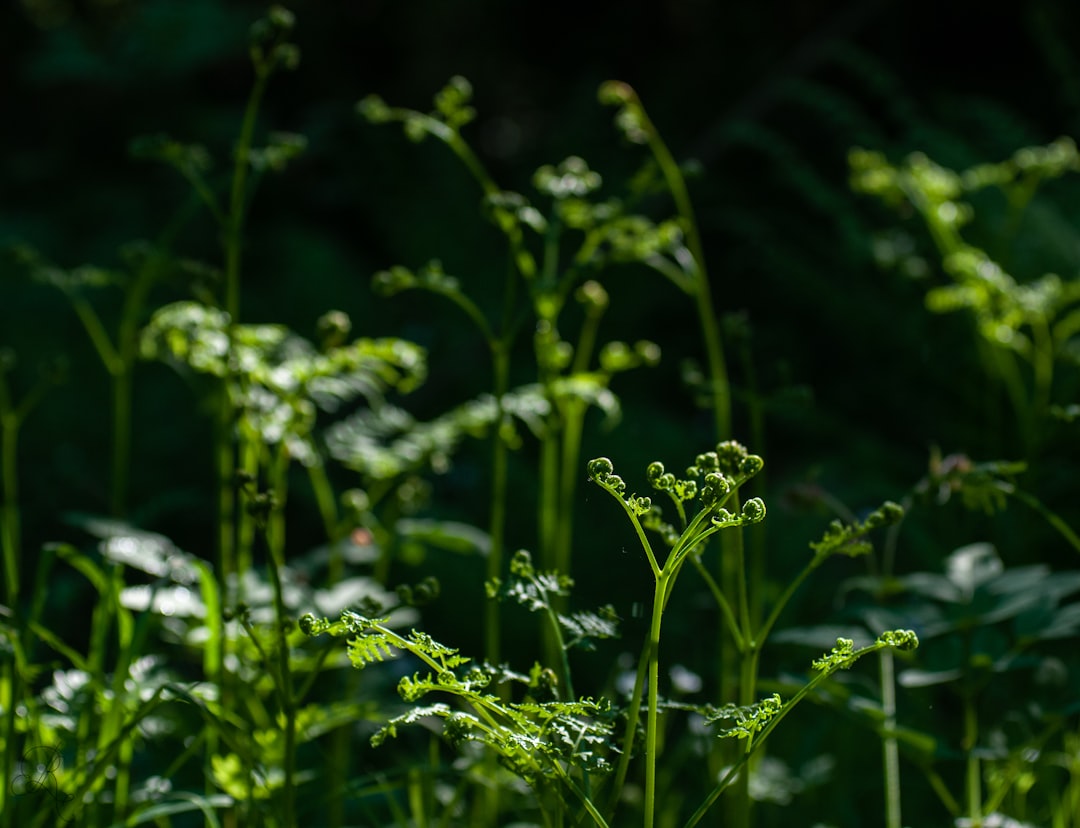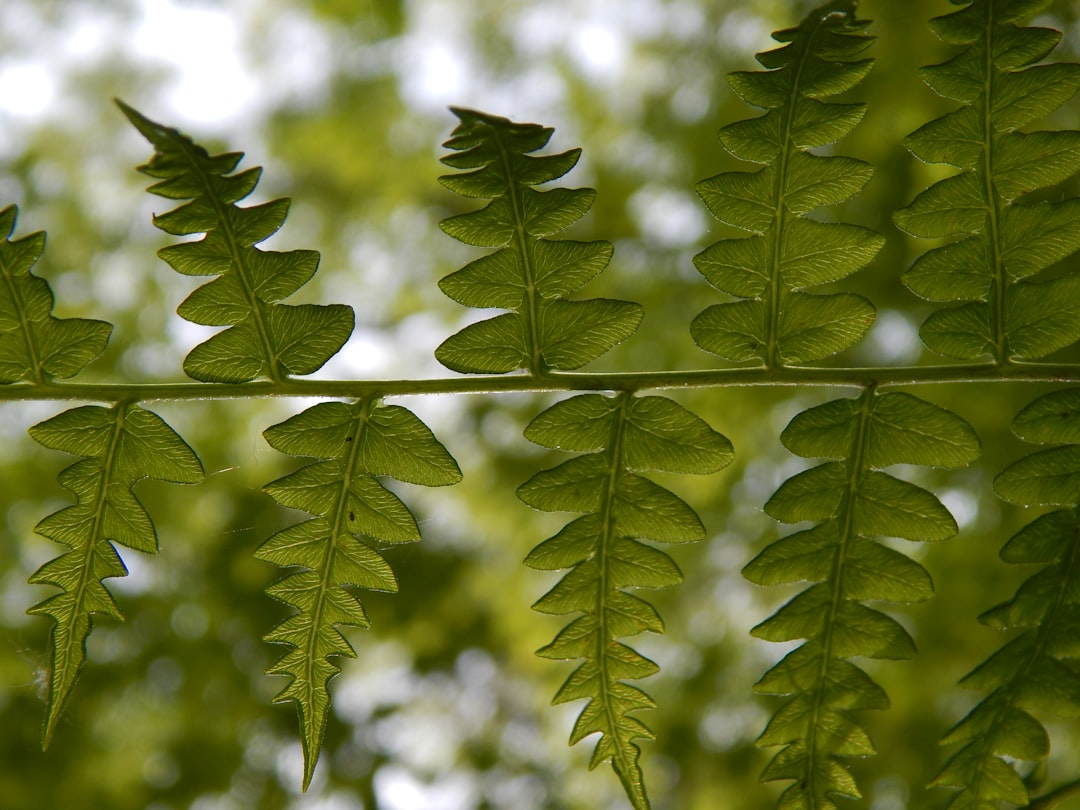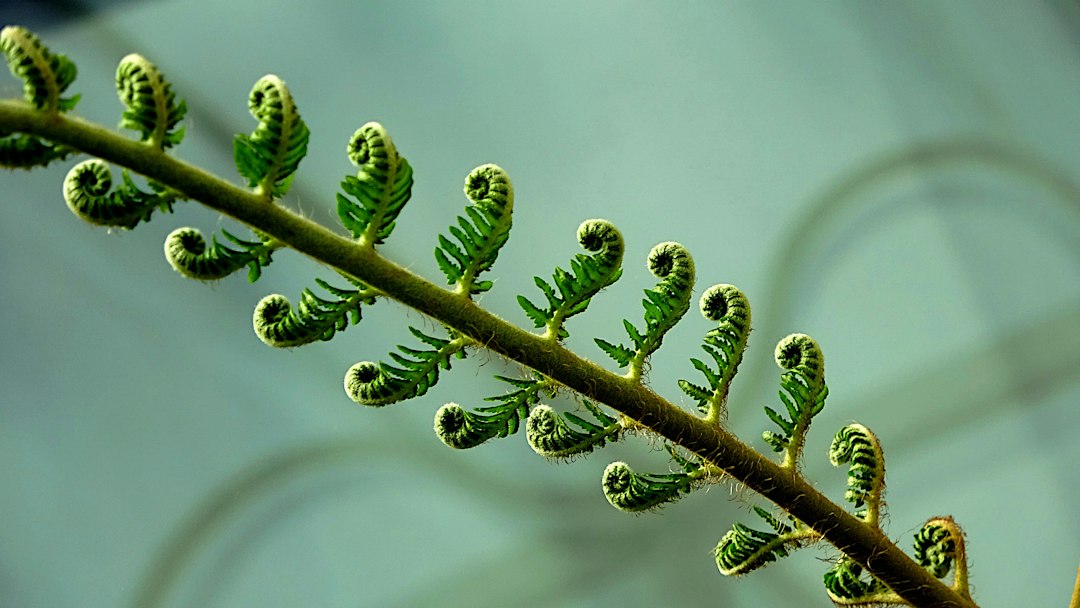
Pellaea calomelanos, commonly known as the black-stemmed maidenhair fern, is a fascinating species that captures the attention of both botanists and plant enthusiasts alike. This fern is part of the Pteridaceae family and is recognized for its unique aesthetic appeal and adaptability to various environments. With its delicate fronds and striking dark stems, it serves not only as an ornamental plant but also plays a significant role in its ecosystem.
Understanding Pellaea calomelanos goes beyond its visual charm. This fern has a rich history and a variety of uses, from traditional medicine to landscape design. As we delve deeper into its taxonomy, physical characteristics, and ecological significance, we can appreciate why this plant deserves a spot in both gardens and conservation efforts.
Pellaea calomelanos, commonly known as the black-stemmed fern, is a fascinating species that thrives in various habitats. For those interested in learning more about this unique plant and its ecological significance, you can explore a related article that delves into its characteristics and care requirements. Check out the article here: Pellaea calomelanos and Its Habitat.
Key Takeaways
- Pellaea calomelanos is a resilient fern known for its unique physical characteristics and adaptability to various environments.
- It belongs to the Pteridaceae family and is classified under the genus Pellaea, showcasing a diverse taxonomy.
- This fern features distinctive leaf shapes and textures, making it easier to identify in its natural habitat.
- Pellaea calomelanos thrives in rocky, well-drained soils and is distributed across tropical and subtropical regions worldwide.
- Conservation efforts are crucial for its survival, as habitat loss poses a threat to its future prospects.
Taxonomy and Classification of Pellaea calomelanos
Pellaea calomelanos belongs to the Pteridaceae family, which encompasses a diverse range of ferns. Within this family, it is classified under the genus Pellaea, which includes several other species known for their unique adaptations and habitats. The specific epithet “calomelanos” derives from Greek roots, where “kalo” means beautiful and “melanos” refers to black, aptly describing the plant’s striking appearance.
The classification of Pellaea calomelanos has been refined over the years as botanists have studied its genetic makeup and morphological traits. This fern is often found in tropical and subtropical regions, which has led to various subspecies being identified based on geographical distribution and environmental adaptations. Understanding its taxonomy not only helps in identifying the plant but also sheds light on its evolutionary history and relationships with other ferns.
Physical Characteristics and Identification Features
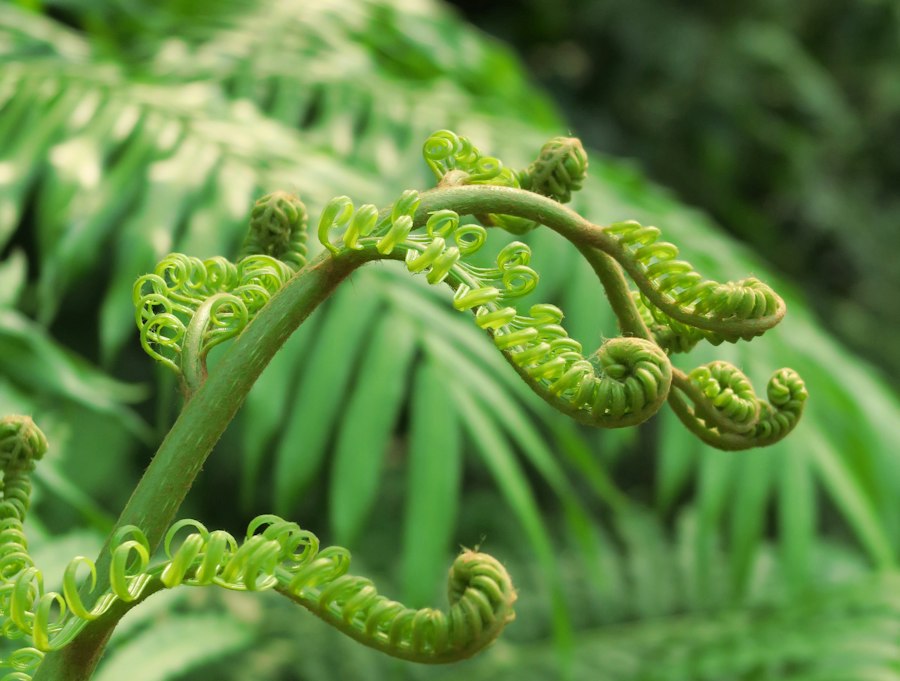
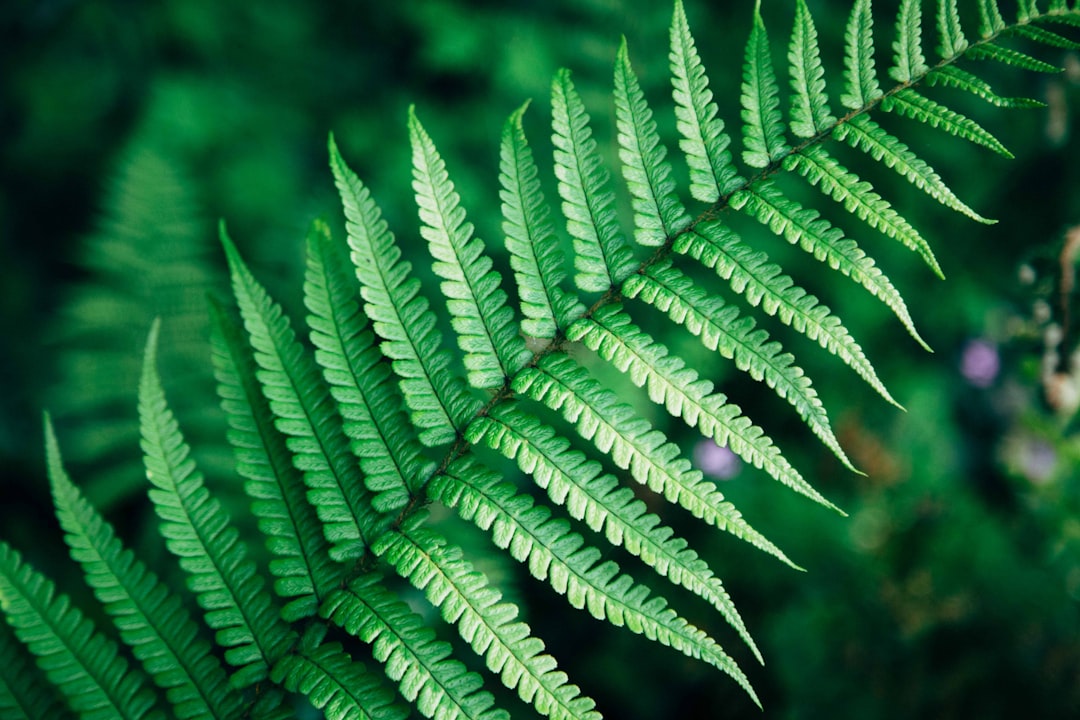
Pellaea calomelanos is easily recognizable due to its distinctive features. The most notable characteristic is its dark, almost black stems that contrast beautifully with the bright green fronds. The fronds themselves are typically pinnate, meaning they are divided into smaller leaflets that give them a feathery appearance.
This structure allows the fern to capture sunlight efficiently while providing a delicate look. In terms of size, Pellaea calomelanos can vary significantly depending on its environment. In optimal conditions, it can grow up to 60 centimeters tall, with fronds that can reach lengths of 30 centimeters or more.
The leaflets are usually lanceolate or ovate, with smooth edges that enhance their elegance. When identifying this fern in the wild or in cultivation, look for these key features: the dark stems, the feathery fronds, and the overall graceful growth habit.
Natural Habitat and Geographic Distribution
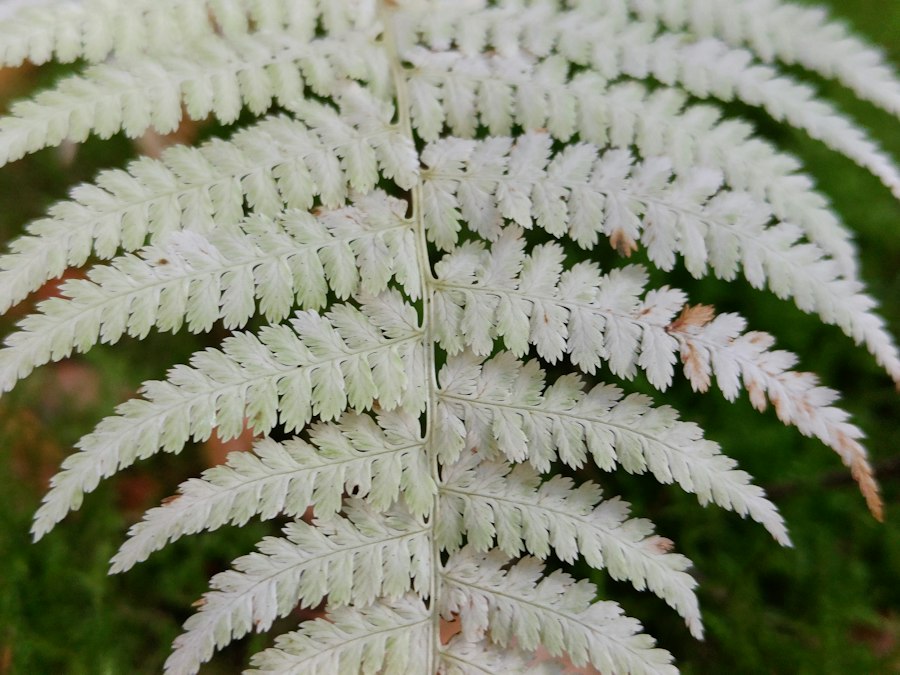
Pellaea calomelanos thrives in a variety of habitats, primarily in tropical and subtropical regions around the world. It is commonly found in rocky outcrops, shaded forest floors, and along cliff faces where moisture is abundant. This adaptability allows it to survive in diverse environments, from humid rainforests to drier mountainous areas.
Geographically, Pellaea calomelanos has a wide distribution. It can be found in parts of Africa, Asia, Australia, and the Pacific Islands. Each region presents unique growing conditions that influence the plant’s morphology and growth patterns. For instance, ferns in more humid areas may exhibit larger fronds compared to those in drier climates. Understanding its natural habitat is crucial for conservation efforts and for those looking to cultivate this fern successfully.
Pellaea calomelanos, commonly known as the silver dollar fern, is a fascinating plant that thrives in various environments, showcasing its adaptability and resilience. For those interested in learning more about this unique species and its care requirements, a related article can provide valuable insights. You can explore further details about its habitat and cultivation techniques in this informative piece on plant care. Understanding the nuances of Pellaea calomelanos can enhance your gardening experience and help you appreciate the beauty of this remarkable fern.
Growth Patterns and Reproductive Biology
| Attribute | Details |
|---|---|
| Scientific Name | Pellaea calomelanos |
| Common Name | Silver Cliff Brake |
| Family | Pteridaceae |
| Plant Type | Fern |
| Native Range | Tropical and Subtropical regions of Africa, Madagascar, and parts of Asia |
| Habitat | Rocky slopes, cliffs, and dry, well-drained soils |
| Frond Length | 20-50 cm |
| Spore Color | Brown |
| Growth Habit | Perennial, evergreen |
| Conservation Status | Not Evaluated |
Pellaea calomelanos exhibits interesting growth patterns that reflect its adaptability to various environments. It typically grows in clumps or tufts, forming dense colonies that can spread over time through rhizomes—underground stems that produce new shoots. This growth habit not only helps the fern establish itself in challenging terrains but also allows it to compete effectively for resources.
Reproductively, Pellaea calomelanos follows the typical fern life cycle, which includes both sexual and asexual reproduction. Spores are produced on the undersides of the fronds in specialized structures called sporangia. When conditions are favorable, these spores are released into the environment, where they can germinate into gametophytes—small heart-shaped structures that eventually develop into new ferns. This dual reproductive strategy ensures that Pellaea calomelanos can thrive even in fluctuating environmental conditions.
Ecological Importance and Role in the Environment
The ecological role of Pellaea calomelanos extends beyond its beauty; it contributes significantly to its ecosystem. As a ground cover plant, it helps prevent soil erosion by stabilizing the soil with its root system. This is particularly important in areas prone to landslides or heavy rainfall, where vegetation plays a crucial role in maintaining soil integrity.
Additionally, Pellaea calomelanos provides habitat and food for various organisms. Its fronds offer shelter for small insects and other wildlife, while the spores serve as a food source for certain species. By supporting biodiversity, this fern plays an integral part in maintaining healthy ecosystems. Its presence can indicate a balanced environment, making it an important species for ecological monitoring.
Cultivation Tips and Care Requirements
For those interested in cultivating Pellaea calomelanos, understanding its care requirements is essential for success. This fern prefers well-draining soil rich in organic matter, mimicking its natural habitat where it often grows among rocks and decaying leaves. A potting mix designed for ferns or a blend of peat moss and perlite can provide an ideal growing medium.
Light conditions are also crucial; while Pellaea calomelanos can tolerate low light, it thrives best in partial shade or filtered sunlight. Direct sunlight can scorch its delicate fronds, so finding the right balance is key. Watering should be consistent but not excessive; allowing the soil to dry slightly between waterings helps prevent root rot. Regular misting can also help maintain humidity levels around the plant, which is beneficial for its overall health.
Conservation Status and Future Prospects of Pellaea calomelanos
The conservation status of Pellaea calomelanos varies by region but is generally considered stable due to its adaptability and wide distribution. However, habitat destruction and climate change pose significant threats to many fern species worldwide, including this one.
Urban development, deforestation, and changes in land use can lead to habitat fragmentation, making it essential to monitor populations and protect their natural environments.
Looking ahead, conservation efforts focused on preserving natural habitats will be crucial for ensuring the survival of Pellaea calomelanos. Educating local communities about the importance of ferns in ecosystems can foster appreciation and support for conservation initiatives. Additionally, cultivating this fern in gardens can help raise awareness about its ecological significance while providing a beautiful addition to landscapes.
In conclusion, Pellaea calomelanos is more than just an attractive plant; it plays a vital role in its ecosystem while offering opportunities for cultivation and appreciation in gardens worldwide. By understanding its characteristics, habitat needs, and ecological importance, we can better appreciate this remarkable fern and contribute to its conservation for future generations.
FAQs
What is Pellaea calomelanos?
Pellaea calomelanos, commonly known as the black-stemmed fern or the copper fern, is a species of fern belonging to the family Pteridaceae. It is characterized by its dark, wiry stems and distinctive leaf structure, making it a popular choice for ornamental gardening and landscaping.
Where is Pellaea calomelanos native to?
This fern is native to various regions, including tropical and subtropical areas of Africa, Australia, and the Pacific Islands. It thrives in rocky or sandy soils, often found in shaded or semi-shaded environments.
What are the ideal growing conditions for Pellaea calomelanos?
Pellaea calomelanos prefers well-drained soil and can tolerate a range of light conditions, from partial shade to full sun. It requires moderate watering, as it does not thrive in overly wet conditions. Maintaining humidity is also beneficial for its growth.
How can Pellaea calomelanos be propagated?
This fern can be propagated through spores or by division. Spores can be collected from mature fronds and sown in a suitable growing medium, while division involves carefully separating the root clumps and replanting them in new pots or garden beds.
Are there any common pests or diseases that affect Pellaea calomelanos?
Pellaea calomelanos is generally resilient but can be susceptible to pests such as aphids and mealybugs. Fungal infections may also occur if the plant is overwatered or not properly ventilated. Regular monitoring and appropriate care can help prevent these issues.