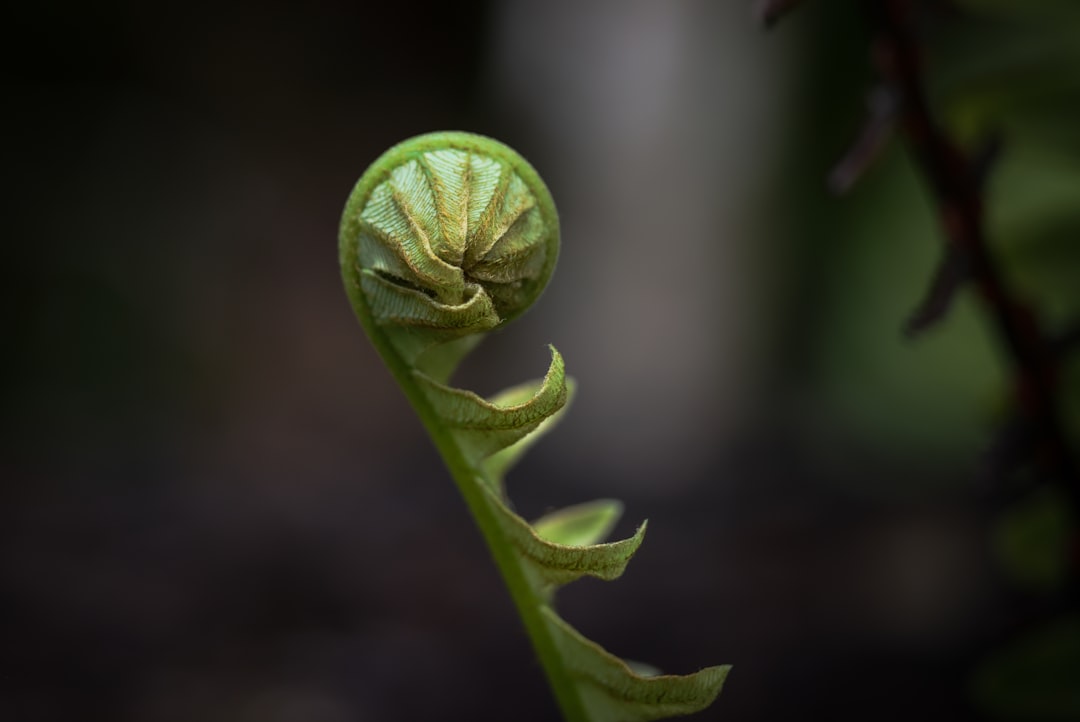
Asplenium aethiopicum, commonly known as the African spleenwort, is a fascinating fern that belongs to the Aspleniaceae family. This plant is notable for its unique appearance and adaptability, making it a popular choice among plant enthusiasts and gardeners alike. With its lush green fronds and distinctive growth patterns, Asplenium aethiopicum captures the attention of anyone who encounters it. This article will delve into various aspects of this remarkable fern, from its natural habitat to its cultivation and conservation.
Understanding Asplenium aethiopicum is not just about appreciating its beauty; it also involves recognizing its ecological significance and the role it plays in various ecosystems. This fern is more than just a decorative plant; it has a rich history of traditional uses and medicinal properties that have been valued by different cultures. By exploring these facets, we can gain a deeper appreciation for this unique species and the importance of preserving it for future generations.
Asplenium aethiopicum, commonly known as the Ethiopian spleenwort, is a fascinating fern species that thrives in various habitats across Africa. For those interested in learning more about this unique plant and its ecological significance, you can explore a related article that delves into its characteristics and care requirements. To read more, visit this link.
Key Takeaways
- Asplenium aethiopicum is a species of fern known for its unique physical characteristics and traditional medicinal uses.
- It is commonly found in tropical and subtropical regions, particularly in Africa, Australia, and Asia.
- Asplenium aethiopicum plays a crucial role in ecosystems by providing habitat and food for various organisms.
- Cultivating and caring for Asplenium aethiopicum requires a well-draining soil and regular watering to maintain its health and vibrancy.
- Conservation efforts for Asplenium aethiopicum are important to ensure the preservation of its natural habitats and genetic diversity.
Habitat and Distribution of Asplenium aethiopicum
Asplenium aethiopicum is primarily found in tropical and subtropical regions of Africa, thriving in a variety of habitats. It typically grows in moist, shaded areas such as forest understories, rocky outcrops, and along riverbanks. The fern prefers well-drained soils rich in organic matter, which provide the necessary nutrients for its growth. Its ability to adapt to different environments makes it a resilient species, capable of surviving in both humid and drier conditions.
The distribution of Asplenium aethiopicum extends across several countries, including South Africa, Kenya, Tanzania, and Uganda. In these regions, it often coexists with other ferns and plant species, contributing to the biodiversity of the ecosystems. The presence of this fern in various habitats highlights its ecological versatility and importance in maintaining the health of its native environments.
Physical Characteristics of Asplenium aethiopicum
Asplenium aethiopicum is characterized by its striking fronds, which can grow up to 60 centimeters in length. The leaves are typically lanceolate or linear in shape, with a glossy green appearance that adds vibrancy to any setting. The fronds are pinnate, meaning they have smaller leaflets arranged along a central stem, giving them a feathery look.
This unique structure not only enhances the fern’s aesthetic appeal but also aids in maximizing light absorption for photosynthesis. Another notable feature of Asplenium aethiopicum is its growth habit. It often forms dense clumps or rosettes, creating an attractive focal point in gardens or natural landscapes.
The plant’s root system is fibrous and shallow, allowing it to anchor itself securely while also enabling it to absorb moisture and nutrients from the surrounding soil. Overall, the physical characteristics of this fern make it an eye-catching addition to any collection.
Importance of Asplenium aethiopicum in Ecosystems
Asplenium aethiopicum plays a vital role in its native ecosystems by contributing to biodiversity and providing habitat for various organisms. As a shade-loving plant, it helps create microhabitats that support other flora and fauna. The dense foliage offers shelter for small animals and insects, while also serving as a food source for herbivores that may feed on its leaves.
Moreover, ferns like Asplenium aethiopicum are essential for soil health. They help prevent soil erosion by stabilizing the ground with their root systems. Additionally, their ability to absorb moisture contributes to maintaining humidity levels in their environment, which is crucial for the survival of many other plant species. By fostering a balanced ecosystem, Asplenium aethiopicum underscores the interconnectedness of life within its habitat.
Asplenium aethiopicum, commonly known as the African spleenwort, is a fascinating fern species that thrives in various habitats across Africa. Its unique adaptations and ecological significance make it a subject of interest for botanists and plant enthusiasts alike. For those looking to explore more about the diverse world of ferns, a related article can be found at this link, which delves into the characteristics and care of different fern species, including Asplenium aethiopicum.
Cultivation and Care of Asplenium aethiopicum
| Aspect | Details |
|---|---|
| Scientific Name | Asplenium aethiopicum |
| Common Name | African spleenwort |
| Family | Aspleniaceae |
| Native Region | Africa, Madagascar, and the Mascarene Islands |
| Habitat | Moist, shady areas in forests, along streams, and on rocks |
| Uses | Ornamental plant, traditional medicine |
Cultivating Asplenium aethiopicum can be a rewarding experience for gardeners looking to add diversity to their plant collections. This fern thrives best in partial to full shade, making it an excellent choice for shaded garden areas or indoor spaces with indirect light. When planting, it’s important to use well-draining soil enriched with organic matter to ensure optimal growth.
Watering is another critical aspect of care for Asplenium aethiopicum. The fern prefers consistently moist soil but should not be waterlogged. Regular misting can also help maintain humidity levels around the plant, which is beneficial for its overall health.
Fertilizing every few months with a balanced liquid fertilizer can promote vigorous growth and enhance the vibrancy of its fronds.
Medicinal and Traditional Uses of Asplenium aethiopicum
Throughout history, Asplenium aethiopicum has been utilized in traditional medicine by various cultures across Africa. Its leaves are often brewed into teas or used in poultices to treat ailments such as respiratory issues, digestive problems, and skin conditions. The plant’s anti-inflammatory properties have made it a valuable resource for those seeking natural remedies.
In addition to its medicinal uses, Asplenium aethiopicum holds cultural significance in some communities. It may be used in rituals or as part of traditional practices that honor nature and promote healing. This connection between the fern and cultural heritage highlights the importance of preserving not only the plant itself but also the knowledge surrounding its uses.
Conservation Efforts for Asplenium aethiopicum
As with many plant species, conservation efforts are crucial for ensuring the survival of Asplenium aethiopicum in its natural habitat. Habitat loss due to deforestation, urbanization, and climate change poses significant threats to this fern’s populations. To combat these challenges, various organizations and local communities are working together to protect and restore habitats where this species thrives.
Conservation initiatives often involve raising awareness about the importance of biodiversity and sustainable practices among local populations. By educating communities about the ecological value of Asplenium aethiopicum and other native plants, these efforts aim to foster stewardship and encourage sustainable land use practices that benefit both people and nature.
Appreciating the Aesthetic Value of Asplenium aethiopicum
Beyond its ecological significance and traditional uses, Asplenium aethiopicum is celebrated for its aesthetic appeal. Its lush green fronds can bring life to any space, whether it’s an indoor garden or an outdoor landscape. The fern’s unique texture and form create visual interest, making it an excellent choice for adding depth to garden designs or interior decor.
Incorporating Asplenium aethiopicum into your home or garden can enhance not only the beauty of your surroundings but also your connection to nature. Observing how this fern interacts with light and other plants can provide moments of tranquility and inspiration. By appreciating its aesthetic value alongside its ecological importance, we can cultivate a deeper respect for this remarkable species and all that it represents in our world.
FAQs
What is Asplenium aethiopicum?
Asplenium aethiopicum is a species of fern in the Aspleniaceae family. It is commonly known as the African spleenwort and is native to Africa and Madagascar.
What are the characteristics of Asplenium aethiopicum?
Asplenium aethiopicum is a small to medium-sized fern with fronds that are typically 20-60 cm long. The fronds are dark green and leathery, with a distinctive elongated shape and a pointed tip.
Where does Asplenium aethiopicum grow?
Asplenium aethiopicum is found in a variety of habitats, including rocky outcrops, cliffs, and forested areas. It prefers moist, shaded environments and can often be found growing on tree trunks or in crevices.
How is Asplenium aethiopicum used?
Asplenium aethiopicum is primarily used for ornamental purposes in gardens and landscapes. It is also sometimes used in traditional medicine for its purported medicinal properties.
Is Asplenium aethiopicum endangered?
Asplenium aethiopicum is not currently listed as endangered. However, like many plant species, it may face threats from habitat loss and degradation.