Botrychium simplex, commonly known as the Least Moonwort, is a fascinating fern that often goes unnoticed in the wild. This small, delicate plant belongs to the Ophioglossaceae family and is characterized by its unique morphology and life cycle. While it may not be as well-known as other ferns, its ecological role and the challenges it faces make it an important species worth exploring. In this article, we will delve into the habitat, distribution, morphology, ecological significance, threats, and conservation efforts surrounding Botrychium simplex, as well as its uses in traditional medicine and folklore.
Understanding Botrychium simplex is essential for appreciating the diversity of plant life and the intricate relationships within ecosystems. This fern is not just a botanical curiosity; it plays a role in its environment and has cultural significance in various communities. By examining its characteristics and the challenges it faces, we can better appreciate the need for conservation efforts and the importance of preserving such unique species.
Botrychium simplex, commonly known as Least Moonwort, is a fascinating species of fern that thrives in specific habitats, often characterized by its delicate appearance and unique reproductive strategies. For those interested in learning more about this intriguing plant and its ecological significance, you can explore a related article that delves deeper into its characteristics and conservation status. Check it out here: Botrychium simplex and its Habitat.
Key Takeaways
- Botrychium simplex, also known as the Least Moonwort, is a small fern species found in North America and parts of Asia.
- The Least Moonwort is typically found in moist, shady habitats such as forests, wetlands, and grasslands, and is distributed across a wide range of geographical locations.
- This species has a unique morphology, with a single frond and sporangia that release spores for reproduction. Its life cycle includes both sexual and asexual reproduction.
- The Least Moonwort plays a crucial role in its ecosystem by providing habitat and food for various organisms, and its presence indicates the health of the environment.
- Threats to the Least Moonwort include habitat loss, climate change, and human activities, and conservation efforts focus on protecting its habitats and raising awareness about its ecological importance.
Habitat and distribution of the Least Moonwort
Botrychium simplex thrives in a variety of habitats, primarily favoring moist, shaded areas. It is often found in deciduous forests, grasslands, and along the edges of wetlands. The plant tends to prefer acidic soils rich in organic matter, which provide the necessary nutrients for its growth.
Its preference for these specific conditions means that it can be somewhat elusive, often hiding among leaf litter or in dense underbrush.
Geographically, the Least Moonwort has a wide distribution across North America. It can be found from Canada down to parts of the United States, particularly in regions with suitable habitats. However, its presence is not uniform; certain areas have more robust populations than others. Factors such as climate, soil type, and human activity can significantly influence where Botrychium simplex is found. Understanding its distribution helps in assessing its conservation status and identifying areas that may require protection.
Morphology and life cycle of Botrychium simplex
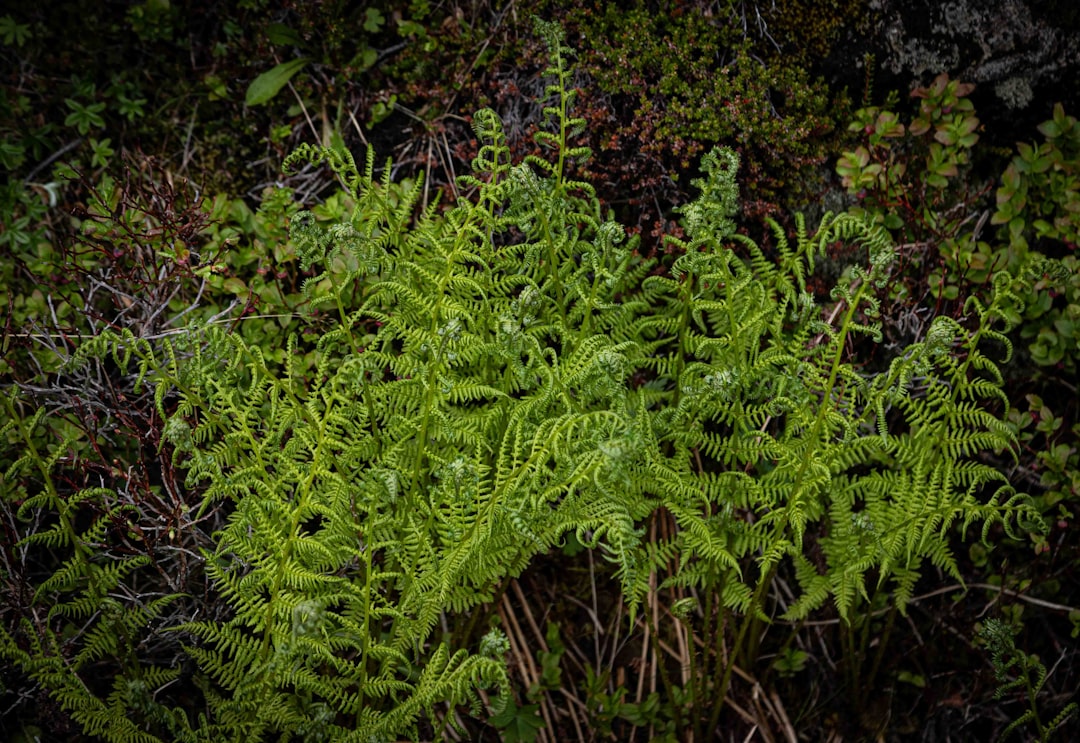
The morphology of Botrychium simplex is quite distinctive. This fern typically features a single leaf that can grow up to 30 centimeters tall, with a unique structure that resembles a small moon or crescent shape—hence the name “Moonwort.
” The leaf is divided into several segments, giving it a feathery appearance.
The sporophyte stage of the plant produces spore-bearing structures called sporangiophores, which are often found at the tip of the leaf. These structures are crucial for reproduction and play a significant role in the plant’s life cycle.
The life cycle of Botrychium simplex is fascinating and follows a typical fern reproductive strategy. It alternates between two generations: the sporophyte and the gametophyte. The sporophyte produces spores that are released into the environment.
When conditions are favorable, these spores germinate to form gametophytes, which are small, heart-shaped structures that produce gametes. Fertilization occurs when male gametes swim to female gametes in moist conditions, leading to the formation of a new sporophyte. This cycle highlights the adaptability of Botrychium simplex to its environment and its reliance on specific conditions for successful reproduction.
Ecological importance of the Least Moonwort
Botrychium simplex plays a vital role in its ecosystem. As a member of the fern family, it contributes to biodiversity and provides habitat for various organisms. The plant’s presence can indicate healthy forest ecosystems, as it often thrives in undisturbed areas with rich soil and moisture. By supporting a range of microhabitats, it helps sustain other plant and animal species that rely on similar conditions.
Moreover, the Least Moonwort contributes to soil health through its interactions with mycorrhizal fungi. These fungi form symbiotic relationships with the roots of many plants, including ferns like Botrychium simplex. This partnership enhances nutrient uptake for both organisms and promotes soil stability. In this way, Botrychium simplex not only supports its own growth but also plays a part in maintaining the overall health of its environment.
Botrychium simplex, commonly known as Least Moonwort, is a fascinating species of fern that thrives in specific habitats across North America. For those interested in learning more about this unique plant and its ecological significance, a related article can be found at Plant Kingdom. This resource provides valuable insights into the characteristics, distribution, and conservation efforts surrounding this delicate fern, making it a great read for botany enthusiasts.
Threats and conservation efforts for Botrychium simplex
| Common Name | Botanical Name | Family | Native Range |
|---|---|---|---|
| Least Moonwort | Botrychium simplex | Ophioglossaceae | North America, Europe, Asia |
Despite its ecological importance, Botrychium simplex faces several threats that jeopardize its survival. Habitat loss due to urban development, agriculture, and deforestation poses significant risks to this delicate fern. As natural habitats are altered or destroyed, the specific conditions that Botrychium simplex requires for growth become increasingly rare. Additionally, climate change is impacting moisture levels and temperature ranges in many regions, further challenging the survival of this species.
Conservation efforts are crucial to protect Botrychium simplex from these threats. Various organizations and researchers are working to monitor populations and assess their health across different regions. Conservation strategies may include habitat restoration projects aimed at re-establishing suitable environments for growth. Public awareness campaigns also play a role in educating communities about the importance of preserving native plants like Botrychium simplex and their habitats.
Uses of Botrychium simplex in traditional medicine and folklore
In addition to its ecological significance, Botrychium simplex has found a place in traditional medicine and folklore among various cultures. Indigenous peoples have historically utilized this fern for its medicinal properties. Some communities have used parts of the plant to treat ailments such as digestive issues or skin irritations. While scientific research on these uses is limited, anecdotal evidence suggests that there may be beneficial compounds within the plant worth exploring further.
Folklore surrounding Botrychium simplex often highlights its mystical qualities. In some cultures, it is believed to possess protective properties or bring good fortune to those who encounter it in the wild. Such stories contribute to the cultural richness surrounding this fern and emphasize the connection between nature and human experience. As interest in traditional knowledge grows, there may be opportunities to further investigate these uses and integrate them into modern herbal practices.
Research and future prospects for studying the Least Moonwort
Research on Botrychium simplex is still evolving, with many aspects of its biology and ecology yet to be fully understood. Scientists are increasingly interested in studying this fern due to its unique life cycle and ecological role. Ongoing research aims to uncover more about its genetic diversity, reproductive strategies, and responses to environmental changes.
Future studies could focus on how Botrychium simplex interacts with other species within its ecosystem or how it adapts to changing climates. Understanding these dynamics will be essential for developing effective conservation strategies. Additionally, exploring its potential medicinal properties could open new avenues for research in ethnobotany and pharmacology.
How to identify and observe Botrychium simplex in the wild
If you’re interested in spotting Botrychium simplex in its natural habitat, there are a few key characteristics to look for. First, keep an eye out for its distinctive single leaf structure that resembles a crescent moon or feather-like shape. The leaf typically grows from a slender stalk and can reach heights of up to 30 centimeters.
When searching for this fern, consider visiting moist woodland areas or grasslands during late spring or early summer when it is most likely to be visible. Look closely at shaded spots where it may blend into the underbrush or leaf litter. Observing these ferns can be rewarding; just remember to tread lightly and respect their environment.
In conclusion, Botrychium simplex is more than just a small fern; it is an integral part of our ecosystems with cultural significance as well. By understanding its habitat, morphology, ecological importance, threats, and uses, we can appreciate this unique plant even more. As we continue to study and protect species like Botrychium simplex, we contribute to preserving biodiversity for future generations.
FAQs
What is Botrychium simplex (Least Moonwort)?
Botrychium simplex, also known as Least Moonwort, is a species of fern in the family Ophioglossaceae. It is a small, delicate plant that is native to North America.
What are the characteristics of Botrychium simplex?
Botrychium simplex has a single, triangular frond that is divided into leaflets. It typically grows to a height of 5-15 cm and has a pale green color. The plant is often found in moist, shady habitats such as woodlands and meadows.
Where is Botrychium simplex found?
Botrychium simplex is found in various parts of North America, including the eastern United States, Canada, and parts of the western United States. It prefers habitats with moist, acidic soils and can often be found in shaded areas.
What is the significance of Botrychium simplex?
Botrychium simplex is considered to be a rare and unique plant species. It plays a role in the ecosystem as a food source for certain insects and provides habitat for small animals. It is also of interest to botanists and conservationists due to its unique characteristics and habitat requirements.
Is Botrychium simplex endangered?
Botrychium simplex is not currently listed as endangered, but it is considered to be a species of special concern in some areas. Its habitat is threatened by factors such as habitat loss, invasive species, and climate change, which could potentially impact its population in the future.