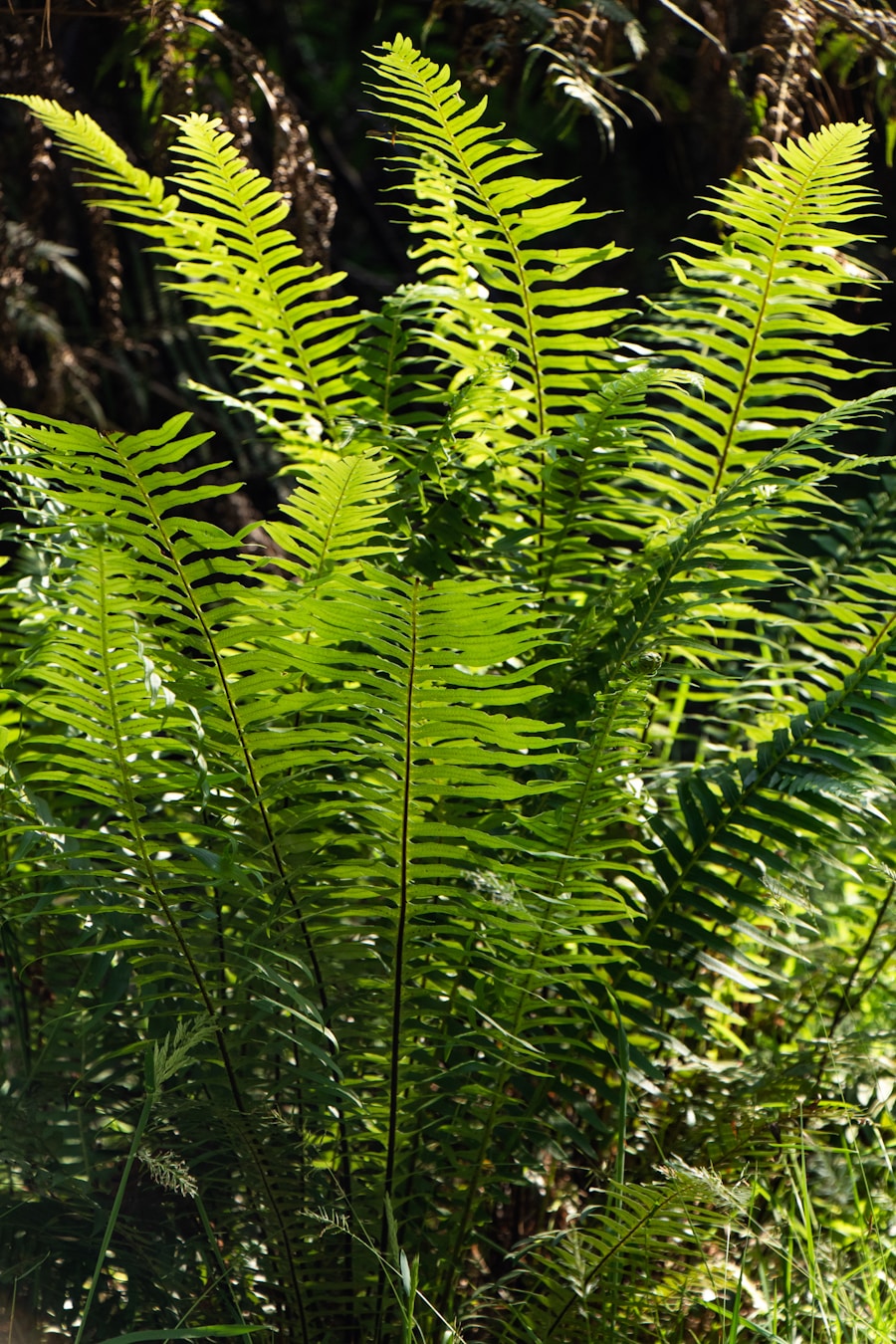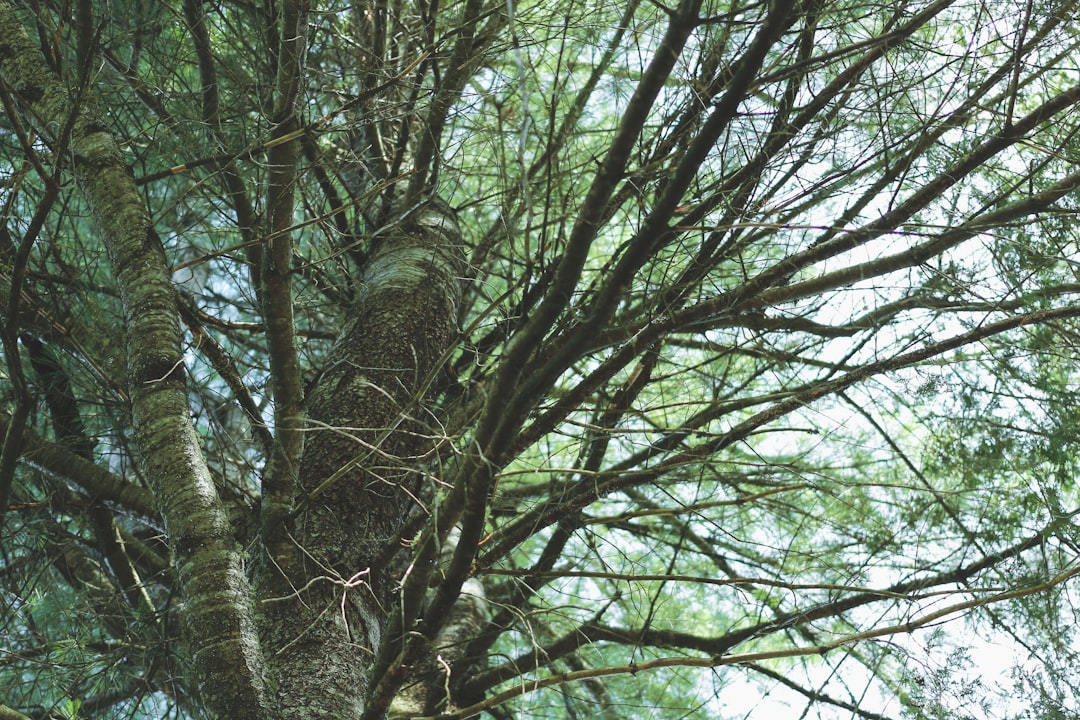
Alsophila capensis, commonly known as the Cape tree fern, is a species of tree fern native to the southern regions of Africa. This plant is notable for its impressive stature and distinctive appearance, making it a prominent feature in its natural habitat. The Cape tree fern belongs to the family Cyatheaceae and is characterized by its tall, erect trunk and large, feathery fronds. It thrives in moist, shaded environments, often found in forests and along riverbanks. The species has garnered attention not only for its aesthetic appeal but also for its ecological significance.
The Cape tree fern plays a vital role in its ecosystem, contributing to biodiversity and providing habitat for various organisms.
Its presence in the understory of forests helps maintain humidity levels and supports the growth of other plant species.
As a member of the ancient lineage of ferns, Alsophila capensis offers insights into the evolutionary history of vascular plants. Understanding this species is essential for appreciating the complexity of the ecosystems it inhabits and the challenges it faces in a changing environment.
The Alsophila capensis, commonly known as the Cape Tree Fern, is a fascinating species that thrives in the lush environments of South Africa. For those interested in learning more about this remarkable plant and its ecological significance, you can explore a related article that delves into its characteristics, habitat, and conservation efforts. To read more, visit this article.
Key Takeaways
- Alsophila capensis, known as the Cape Tree Fern, is a distinctive and ancient fern species.
- It features large, arching fronds and a sturdy trunk, typical of tree ferns.
- Native to southern Africa, it thrives in moist, shaded forest environments.
- The species plays a vital role in its ecosystem by providing habitat and maintaining forest humidity.
- Conservation efforts are important due to habitat loss and environmental threats impacting its survival.
Physical Characteristics of Alsophila capensis
Alsophila capensis is distinguished by its tall, slender trunk, which can reach heights of up to 5 meters (approximately 16 feet). The trunk is typically covered with a layer of fibrous material, remnants of old fronds that have fallen away. This characteristic gives the tree fern a rugged appearance, contributing to its unique charm. The fronds themselves are large and arching, often measuring up to 2 meters (about 6.5 feet) in length. They are pinnate, meaning they are divided into smaller leaflets that create a feathery texture.
The coloration of the fronds varies from bright green to a darker shade, depending on the age and health of the plant. Young fronds emerge tightly coiled and gradually unfurl as they mature, showcasing a striking display of greenery. The reproductive structures of Alsophila capensis are located on the undersides of the fronds, where sporangia produce spores for reproduction. This reproductive strategy is typical of ferns and highlights their ancient lineage, which predates flowering plants.
Habitat and Distribution of Alsophila capensis
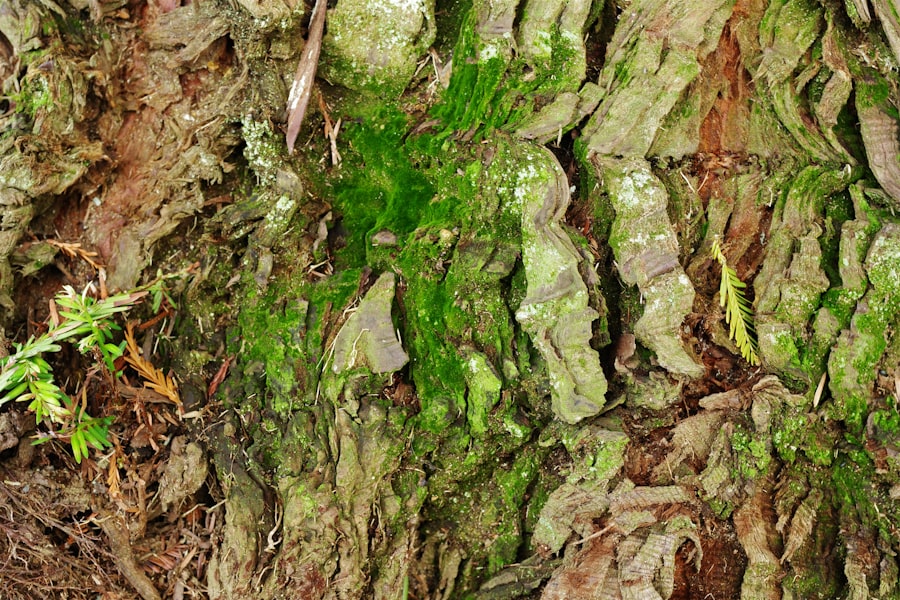
Alsophila capensis is primarily found in the temperate rainforests and moist woodlands of southern Africa, particularly in regions such as the Western Cape and Eastern Cape provinces of South Africa. It thrives in areas with high humidity and consistent rainfall, often growing in shaded locations under the canopy of taller trees. The species prefers well-drained soils rich in organic matter, which support its growth and development.
The distribution of Alsophila capensis is somewhat limited compared to other fern species, as it is adapted to specific climatic conditions. Its presence is often indicative of healthy forest ecosystems, where it contributes to the overall biodiversity. However, as human activities encroach upon these habitats through deforestation and urbanization, the natural range of this tree fern is increasingly threatened.
Importance of Alsophila capensis in the Ecosystem
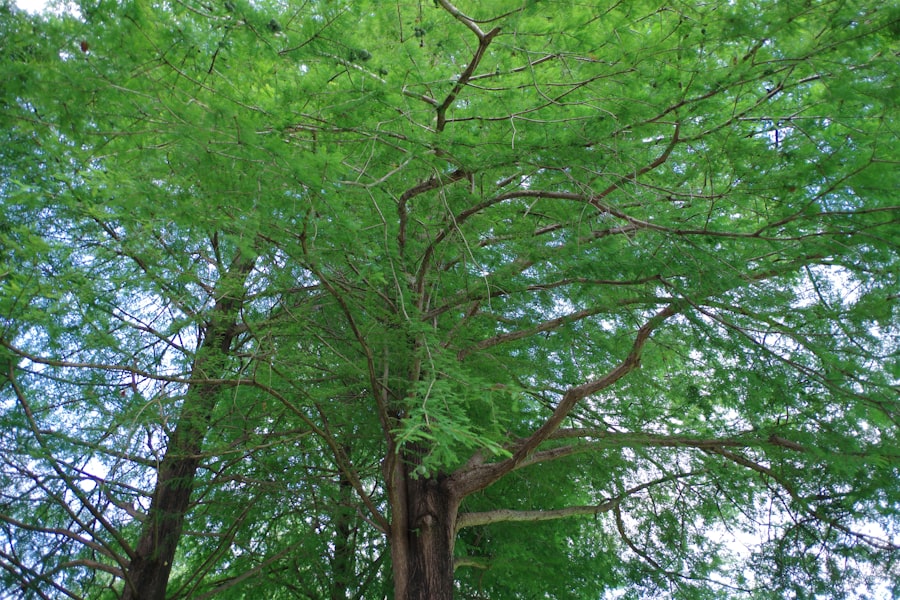
Alsophila capensis plays a crucial role in maintaining the ecological balance within its habitat. As a large understory plant, it contributes to the structural complexity of forests, providing shelter and food for various wildlife species. Birds, insects, and small mammals often utilize the fronds for nesting or as a source of food. The dense foliage also helps regulate humidity levels within the forest floor, creating a microclimate that supports other plant species.
Moreover, Alsophila capensis aids in soil stabilization through its extensive root system. By anchoring soil in place, it helps prevent erosion, particularly in areas prone to heavy rainfall. The organic matter produced by decaying fronds enriches the soil, promoting nutrient cycling within the ecosystem.
This interplay between the tree fern and its environment underscores its importance as a keystone species in maintaining ecological integrity.
The Alsophila capensis, commonly known as the Cape Tree Fern, is a fascinating species that thrives in the lush environments of South Africa. This remarkable plant not only adds beauty to its surroundings but also plays a crucial role in the local ecosystem. For those interested in learning more about various plant species and their characteristics, a related article can be found here, which provides insights into the diverse world of ferns and their importance in biodiversity.
Cultural and Symbolic Significance of Alsophila capensis
| Metric | Value | Details |
|---|---|---|
| Scientific Name | Alsophila capensis | Also known as Cape Tree Fern |
| Common Name | Cape Tree Fern | Native to South Africa and surrounding regions |
| Family | Cyatheaceae | Tree fern family |
| Height | Up to 10 meters | Typical mature height |
| Frond Length | 2 to 3 meters | Large, arching fronds |
| Trunk Diameter | 20 to 30 cm | Slender, woody trunk |
| Growth Rate | Moderate | Depends on climate and conditions |
| Preferred Habitat | Moist, shaded forests | Often found in mountainous regions |
| Temperature Range | 10°C to 25°C | Prefers mild climates, frost sensitive |
| Soil Type | Rich, well-drained, acidic to neutral | High organic matter content preferred |
| Propagation | Spores | Reproduces via spores on fronds |
| Conservation Status | Not Evaluated | No major threats currently identified |
In addition to its ecological contributions, Alsophila capensis holds cultural significance for various communities in southern Africa. The tree fern has been used traditionally for medicinal purposes, with some indigenous groups utilizing its fronds for their purported healing properties. Additionally, its striking appearance has made it a symbol of natural beauty and resilience in local folklore.
The Cape tree fern is often featured in art and literature as a representation of the lush landscapes of southern Africa. Its presence in gardens and parks further emphasizes its aesthetic value, serving as a reminder of the region’s rich biodiversity. As awareness grows regarding environmental conservation, Alsophila capensis has become emblematic of efforts to preserve native flora and fauna.
Conservation Status and Threats to Alsophila capensis
Despite its ecological importance and cultural significance, Alsophila capensis faces several threats that jeopardize its survival. Habitat loss due to deforestation for agriculture and urban development poses a significant risk to this species. As forests are cleared or fragmented, the natural populations of Cape tree ferns decline, leading to reduced genetic diversity and increased vulnerability.
Additionally, climate change presents challenges for Alsophila capensis as shifting weather patterns may alter its preferred habitat conditions. Changes in rainfall patterns can affect moisture availability, while rising temperatures may push this species beyond its optimal growing range. Conservation efforts are essential to protect existing populations and restore habitats where possible. Initiatives aimed at raising awareness about the importance of preserving native plant species are crucial for ensuring the survival of Alsophila capensis.
Growing and Caring for Alsophila capensis in Gardens
For those interested in cultivating Alsophila capensis in gardens or landscapes, understanding its specific growing requirements is essential. This tree fern thrives in shaded areas with well-drained soil rich in organic matter. It prefers consistently moist conditions but can tolerate short periods of drought once established. Gardeners should ensure that the planting site mimics its natural habitat as closely as possible to promote healthy growth.
When planting Alsophila capensis, it is advisable to provide ample space for its fronds to spread out without obstruction. Regular watering during dry spells will help maintain moisture levels around the root system. Fertilization with organic compost can enhance soil quality and support vigorous growth. Pruning dead or damaged fronds can also encourage new growth while maintaining an attractive appearance.
Appreciating the Enchanting Beauty of Alsophila capensis
Alsophila capensis stands out as a remarkable example of nature’s diversity and resilience. Its striking physical characteristics and ecological importance make it a valuable component of southern Africa’s forests. As we continue to explore and understand this species, it becomes increasingly clear that preserving Alsophila capensis is vital not only for maintaining biodiversity but also for honoring cultural traditions tied to this unique plant.
By fostering an appreciation for Alsophila capensis and advocating for conservation efforts, we can ensure that future generations will have the opportunity to experience its beauty and significance firsthand. Whether admired in its natural habitat or cultivated in gardens, the Cape tree fern serves as a reminder of the intricate connections within ecosystems and the importance of protecting our planet’s natural heritage.
FAQs
What is Alsophila capensis commonly known as?
Alsophila capensis is commonly known as the Cape Tree Fern.
Where is Alsophila capensis naturally found?
Alsophila capensis is native to southern Africa, particularly in regions such as South Africa, Lesotho, and Eswatini.
What type of environment does Alsophila capensis prefer?
Alsophila capensis thrives in moist, shaded forest environments, often in mountainous or high-altitude areas with well-drained soil.
How tall can the Cape Tree Fern grow?
The Cape Tree Fern can grow up to 10 meters (about 33 feet) tall, with a trunk that supports large, arching fronds.
Is Alsophila capensis used for any practical purposes?
Yes, Alsophila capensis is sometimes used in horticulture as an ornamental plant due to its attractive appearance, and its fronds have been used traditionally for thatching and other local uses.