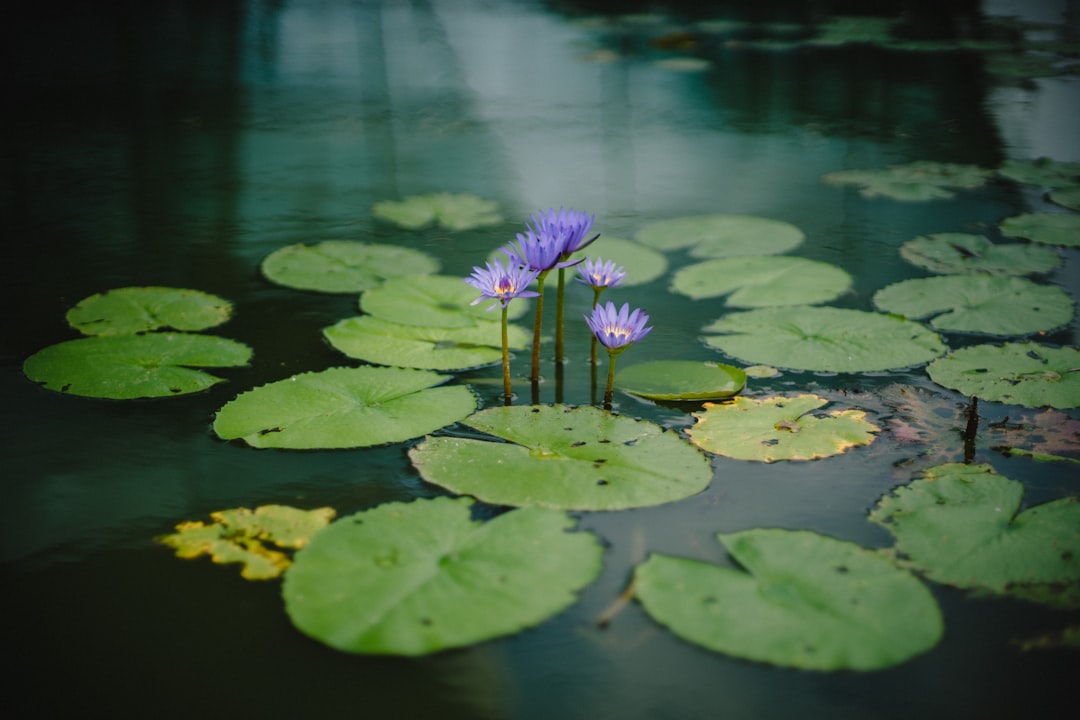
Marsilea crenata, commonly known as water clover, is a perennial aquatic plant in the Marsileaceae family. It features distinctive clover-like leaves that float on water surfaces, often forming dense mats in freshwater environments including ponds, marshes, and slow-moving streams. Native to tropical and subtropical regions of Asia, this plant is recognized by its four leaflets that resemble a four-leaf clover, giving rise to its common name.
Water clover serves important ecological functions in aquatic ecosystems. It provides habitat for fish and invertebrates while contributing to water quality through photosynthesis and oxygen production. Marsilea crenata has documented applications in traditional medicine and nutrition across its native range.
The plant’s ecological services and potential human uses make it significant both environmentally and culturally in the regions where it grows naturally.
Key Takeaways
- Marsilea crenata is a versatile aquatic plant with significant traditional medicinal uses.
- It offers notable nutritional benefits, including essential vitamins and minerals.
- Research suggests potential applications of Marsilea crenata in modern medicine.
- The plant contributes positively to environmental sustainability and ecosystem health.
- Marsilea crenata is cultivated for both culinary purposes and medicinal harvesting.
Medicinal properties and traditional uses of Marsilea crenata
Marsilea crenata has been utilized in traditional medicine across various cultures, particularly in Asian countries such as India and China. The plant is often regarded for its anti-inflammatory, antioxidant, and antimicrobial properties. In traditional Chinese medicine, for instance, water clover is believed to help alleviate symptoms associated with respiratory ailments and digestive disorders.
Herbalists often prepare infusions or decoctions from the leaves and stems to harness these therapeutic benefits. The rich phytochemical profile of Marsilea crenata includes flavonoids, tannins, and phenolic compounds, which contribute to its medicinal efficacy. In addition to its use in treating specific ailments, Marsilea crenata has been employed as a general health tonic.
In some cultures, it is consumed to boost vitality and enhance overall well-being. The plant’s leaves are sometimes ground into a powder and mixed with other herbs to create health supplements.
The versatility of this plant in traditional healing practices underscores its significance in various cultural contexts.
Nutritional benefits of Marsilea crenata
The nutritional profile of Marsilea crenata is impressive, making it a valuable addition to diets in regions where it is available. The leaves are rich in essential vitamins and minerals, including vitamin C, vitamin A, calcium, and iron. These nutrients play crucial roles in maintaining overall health, supporting immune function, promoting healthy skin, and ensuring proper bone development.
The presence of dietary fiber in Marsilea crenata also contributes to digestive health by aiding in regular bowel movements and promoting a feeling of fullness. Moreover, the low-calorie nature of Marsilea crenata makes it an attractive option for those seeking to incorporate more greens into their diet without excessive caloric intake. In many Asian cuisines, the leaves are consumed fresh in salads or cooked in various dishes, providing not only nutritional benefits but also a unique flavor profile that enhances culinary experiences.
The incorporation of Marsilea crenata into meals can help diversify diets while offering a range of health benefits that align with modern nutritional guidelines.
Potential applications in modern medicine and research
As scientific interest in natural products continues to grow, Marsilea crenata has emerged as a subject of research due to its potential applications in modern medicine. Studies have begun to explore the bioactive compounds present in the plant and their effects on human health. Preliminary research suggests that extracts from Marsilea crenata may exhibit anti-cancer properties by inhibiting the proliferation of certain cancer cell lines.
This finding opens avenues for further investigation into the plant’s potential as a complementary treatment option alongside conventional therapies. Additionally, the antioxidant properties of Marsilea crenata have garnered attention for their implications in preventing chronic diseases associated with oxidative stress, such as cardiovascular diseases and neurodegenerative disorders. Researchers are actively studying the mechanisms through which these compounds exert their effects on cellular health.
As more studies are conducted, there is potential for Marsilea crenata to be integrated into nutraceuticals or functional foods aimed at promoting health and preventing disease.
Environmental benefits of Marsilea crenata
| Attribute | Details |
|---|---|
| Scientific Name | Marsilea crenata |
| Common Name | Water Clover |
| Family | Marsileaceae |
| Plant Type | Floating aquatic fern |
| Habitat | Freshwater bodies, rice paddies, wetlands |
| Geographical Distribution | Southeast Asia, including Thailand, Indonesia, Malaysia |
| Leaf Description | Four leaflets resembling a four-leaf clover |
| Reproduction | Sporocarps (spore-producing structures) |
| Uses | Edible vegetable, traditional medicine, ornamental plant |
| Growth Conditions | Warm, tropical climates with standing or slow-moving water |
Beyond its medicinal and nutritional attributes, Marsilea crenata plays a crucial role in maintaining ecological balance within freshwater ecosystems. The plant acts as a natural filter for water bodies by absorbing excess nutrients and pollutants, thereby improving water quality. This filtration process is particularly important in areas affected by agricultural runoff or urban pollution, where nutrient overload can lead to harmful algal blooms and decreased oxygen levels in water.
Furthermore, Marsilea crenata provides habitat and shelter for various aquatic organisms, including fish fry and invertebrates. By creating a complex structure within the water column, it supports biodiversity and contributes to the overall health of aquatic ecosystems. The presence of this plant can also stabilize sediment in shallow waters, reducing erosion and promoting the growth of other aquatic plants.
As environmental concerns continue to rise globally, understanding the ecological contributions of species like Marsilea crenata becomes essential for conservation efforts.
Cultivation and harvesting of Marsilea crenata
Cultivating Marsilea crenata can be a rewarding endeavor for both commercial growers and home gardeners interested in sustainable practices. The plant thrives in shallow freshwater environments with plenty of sunlight; thus, creating an ideal habitat involves ensuring access to clean water and adequate light exposure. Propagation can occur through spores or vegetative means; however, vegetative propagation is often preferred due to its efficiency.
Growers can take cuttings from established plants and replant them in suitable aquatic environments. Harvesting Marsilea crenata requires careful consideration to ensure sustainability. When collecting leaves for culinary or medicinal purposes, it is essential to leave enough foliage intact to allow the plant to continue thriving.
Sustainable harvesting practices not only preserve the plant population but also maintain the ecological balance within its habitat. In regions where water clover is abundant, local communities often engage in harvesting activities that support both their livelihoods and traditional practices while promoting conservation efforts.
Culinary uses and recipes featuring Marsilea crenata
The culinary versatility of Marsilea crenata makes it an exciting ingredient for chefs and home cooks alike. Its mild flavor profile allows it to be incorporated into a variety of dishes without overpowering other ingredients. In many Asian cuisines, water clover is used fresh in salads or as a garnish for soups and stews.
The leaves can also be sautéed or stir-fried with other vegetables, adding both nutrition and texture to meals. One popular dish featuring Marsilea crenata is a refreshing salad that combines fresh leaves with sliced cucumbers, tomatoes, and a light vinaigrette dressing. This dish not only highlights the unique flavor of the water clover but also showcases its vibrant green color, making it visually appealing.
Another creative use involves blending the leaves into smoothies or juices for an added nutritional boost. By incorporating Marsilea crenata into everyday meals, individuals can enjoy its health benefits while exploring new culinary horizons.
the future of Marsilea crenata and its potential impact
As interest in natural remedies and sustainable practices continues to grow globally, the future of Marsilea crenata appears promising. Its rich history of traditional use combined with emerging scientific research highlights its potential as both a food source and a medicinal plant.
Moreover, the environmental benefits provided by Marsilea crenata underscore its importance within freshwater ecosystems. As conservation efforts become increasingly vital in addressing environmental challenges such as pollution and habitat loss, understanding the role of native plants like water clover will be essential for promoting biodiversity and ecosystem health. By fostering awareness about this remarkable plant’s multifaceted contributions—medicinally, nutritionally, environmentally—there is potential for greater appreciation and utilization of Marsilea crenata in both local communities and broader contexts worldwide.
Marsilea crenata, commonly known as water clover, is a fascinating aquatic plant that thrives in wetland environments. For those interested in learning more about various plant species and their ecological significance, you can check out a related article on the topic at this link. This article provides insights into the diverse world of plants and their roles in ecosystems, making it a valuable resource for plant enthusiasts and researchers alike.
FAQs
What is Marsilea crenata?
Marsilea crenata is a species of aquatic fern commonly found in Southeast Asia. It is known for its clover-like leaves and is often used in traditional cuisine and as an ornamental plant.
Where does Marsilea crenata naturally grow?
Marsilea crenata naturally grows in wet, marshy areas such as rice paddies, ponds, and slow-moving streams, primarily in countries like Thailand, Indonesia, and Malaysia.
What are the distinctive features of Marsilea crenata?
Marsilea crenata has four leaflets arranged like a four-leaf clover, with a slightly wavy or crenate edge. It grows in aquatic or semi-aquatic environments and produces sporocarps for reproduction.
Is Marsilea crenata edible?
Yes, Marsilea crenata is edible and is used in various Southeast Asian dishes. The young leaves and sporocarps are sometimes consumed after proper preparation.
How is Marsilea crenata used in cooking?
In some Southeast Asian cuisines, Marsilea crenata leaves are used in salads, soups, or as a vegetable side dish. It is valued for its mild flavor and nutritional content.
Can Marsilea crenata be grown in home aquariums or ponds?
Yes, Marsilea crenata can be cultivated in home aquariums or garden ponds, provided it has adequate water and light conditions similar to its natural habitat.
What are the environmental requirements for growing Marsilea crenata?
Marsilea crenata thrives in warm, humid environments with shallow, slow-moving or still water. It prefers full to partial sunlight and nutrient-rich substrates.
Does Marsilea crenata have any ecological importance?
Marsilea crenata contributes to aquatic ecosystems by providing habitat and food for various aquatic organisms. It also helps stabilize soil in wetland areas.
How does Marsilea crenata reproduce?
Marsilea crenata reproduces via spores produced in specialized structures called sporocarps. These sporocarps release spores into the water, which then develop into new plants.
Are there any known medicinal uses of Marsilea crenata?
While primarily used as food, some traditional practices may use Marsilea crenata for medicinal purposes, but scientific evidence supporting these uses is limited.