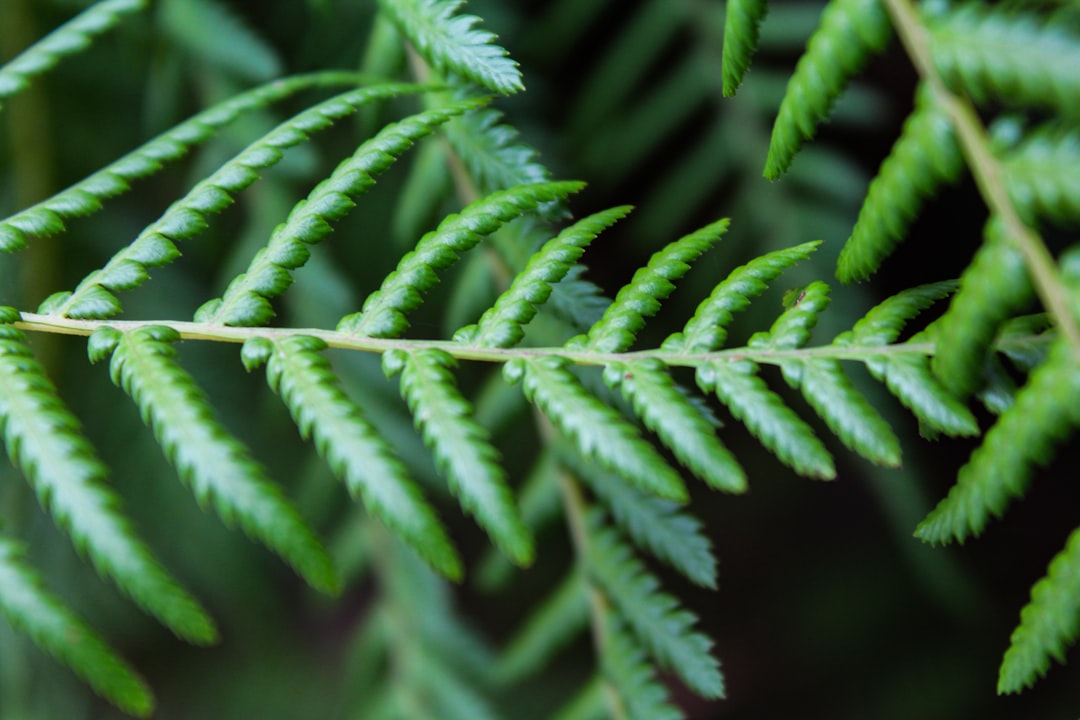
Odontosoria chinensis, commonly known as the Chinese climbing fern, is a fascinating plant that has garnered attention for its unique characteristics and potential health benefits. This fern is native to various regions in Asia, particularly in China, where it thrives in moist, shaded environments. Its climbing nature allows it to grow on trees and other structures, making it a visually striking addition to the flora of its native habitats. Beyond its aesthetic appeal, Odontosoria chinensis has been utilized in traditional herbal medicine for centuries, showcasing its importance in cultural practices and natural healing.
As interest in herbal remedies continues to grow globally, Odontosoria chinensis stands out due to its rich history and the array of benefits it offers. This article will delve into the botanical characteristics of this fern, explore its traditional uses in herbal medicine, and examine its nutritional and medicinal properties. Additionally, we will discuss preparation methods, scientific research supporting its health benefits, potential side effects, and sustainable cultivation practices. By the end of this exploration, you’ll have a comprehensive understanding of Odontosoria chinensis and its role in both traditional and modern contexts.
Odontosoria chinensis, commonly known as the Chinese fern, is a fascinating species that showcases the diversity of the plant kingdom. For those interested in learning more about this unique fern and its ecological significance, you can explore a related article that delves into its characteristics and habitat. Check out the article here: Plant Kingdom.
Key Takeaways
- Odontosoria chinensis is a fern known for its unique botanical characteristics and diverse habitat.
- Traditionally used in herbal medicine, it has been valued for its various health benefits.
- The plant is rich in nutritional and medicinal properties, contributing to its popularity in natural remedies.
- Proper preparation methods and dosage are essential for maximizing its health benefits while minimizing risks.
- Ongoing scientific research highlights its potential health benefits, but caution is advised due to possible side effects and the importance of sustainable harvesting practices.
Botanical Characteristics and Habitat
Odontosoria chinensis is a perennial fern that belongs to the family Lindsaeaceae. It is characterized by its delicate, feathery fronds that can reach lengths of up to 1 meter. The leaves are typically bright green and have a distinctive triangular shape, which adds to their ornamental value. The plant’s climbing habit allows it to attach itself to nearby structures using its wiry stems, making it an excellent choice for hanging gardens or shaded areas in landscaping.
In terms of habitat, Odontosoria chinensis prefers humid environments, often found in subtropical and tropical regions. It thrives in shaded areas such as forest understories or along riverbanks where moisture is abundant. This fern is particularly common in China but can also be found in other parts of Southeast Asia. Its preference for specific environmental conditions makes it essential for maintaining biodiversity in its native ecosystems. Understanding these botanical characteristics helps appreciate the ecological role of Odontosoria chinensis and its adaptability to various habitats.
Traditional Uses in Herbal Medicine
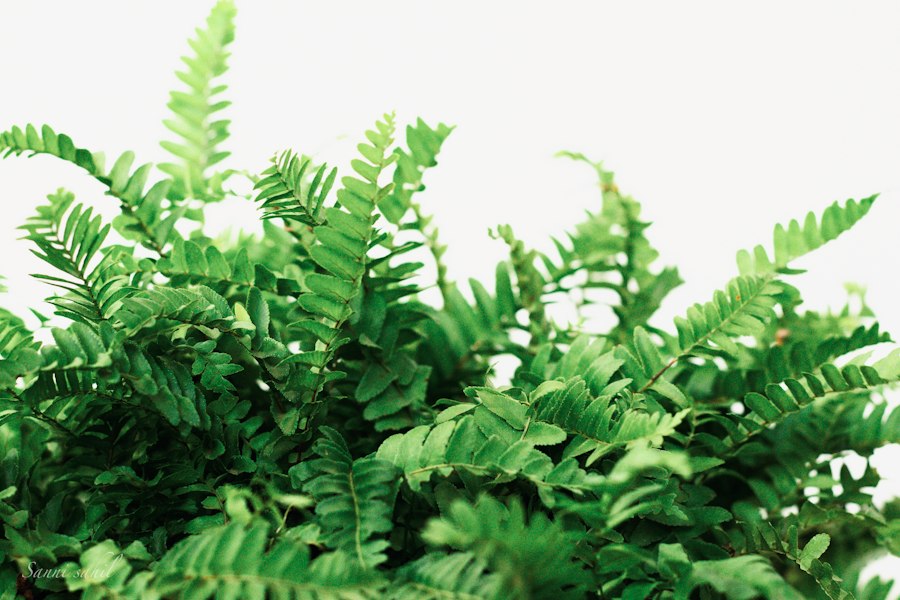
For centuries, Odontosoria chinensis has been an integral part of traditional Chinese medicine (TCM). Herbalists have utilized this fern for its purported health benefits, often incorporating it into various remedies aimed at treating a range of ailments. One of the most common uses is for respiratory issues; practitioners believe that the fern can help alleviate symptoms associated with coughs and bronchitis.
The plant is often prepared as a decoction or infusion, allowing its beneficial compounds to be extracted effectively. In addition to respiratory health, Odontosoria chinensis has been used to support digestive health. Traditional practitioners have recommended it for conditions such as indigestion and stomach discomfort.
The fern is thought to possess properties that can help soothe the digestive tract and promote overall gut health. These traditional uses highlight the cultural significance of Odontosoria chinensis and its role in holistic approaches to health and wellness.
Nutritional and Medicinal Properties
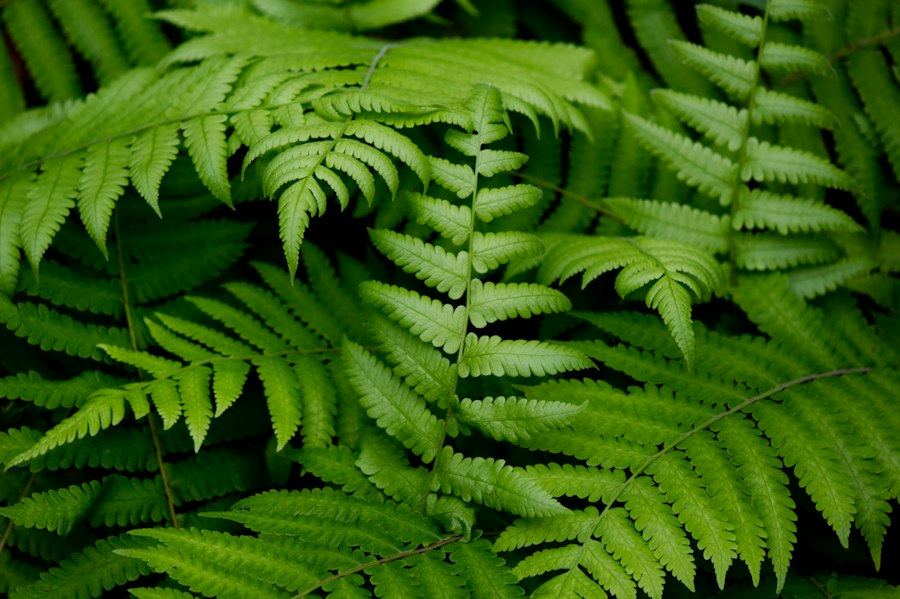
Odontosoria chinensis is not only valued for its medicinal applications but also for its nutritional content. The fern is rich in vitamins and minerals, including vitamin C, calcium, and iron. These nutrients contribute to overall health and well-being, making it a valuable addition to a balanced diet. The presence of antioxidants further enhances its appeal, as these compounds help combat oxidative stress in the body.
Medicinally, Odontosoria chinensis is believed to possess anti-inflammatory and antimicrobial properties. Research suggests that extracts from the fern may help reduce inflammation and fight off certain pathogens. This makes it a candidate for further study in the context of modern medicine, as scientists explore its potential applications in treating various health conditions. The combination of nutritional benefits and medicinal properties positions Odontosoria chinensis as a noteworthy plant in both traditional and contemporary health practices.
Odontosoria chinensis, a fascinating fern species, has garnered attention for its unique characteristics and ecological significance.
For those interested in exploring more about this plant and its habitat, a related article can provide valuable insights.
You can read more about its features and conservation efforts in this informative piece available at this link. Understanding the role of Odontosoria chinensis in its ecosystem can enhance our appreciation for biodiversity and the importance of preserving such species.
Preparation Methods and Dosage
| Metric | Value | Unit | Notes |
|---|---|---|---|
| Scientific Name | Odontosoria chinensis | – | Species of fern in the family Lindsaeaceae |
| Common Names | Chain Fern, Lace Fern | – | Varies by region |
| Plant Type | Fern | – | Non-flowering vascular plant |
| Height | 30-60 | cm | Typical mature height |
| Frond Length | 20-50 | cm | Length of the fern fronds |
| Habitat | Tropical and Subtropical Forests | – | Prefers shaded, moist environments |
| Geographical Distribution | Asia, including China, India, Southeast Asia | – | Native range |
| Spore Production | High | – | Typical of ferns for reproduction |
| Growth Rate | Moderate | – | Depends on environmental conditions |
| Uses | Traditional medicine, ornamental | – | Used in some cultures for medicinal purposes |
When it comes to preparing Odontosoria chinensis for consumption or medicinal use, there are several methods that can be employed. One common approach is to create a decoction by boiling the dried fronds in water for an extended period. This method helps extract the beneficial compounds from the plant material effectively. Once prepared, the decoction can be consumed as a tea or used as an ingredient in other herbal formulations.
Dosage recommendations can vary depending on the intended use and individual health conditions. In traditional practices, dosages are often tailored to the specific needs of the individual, taking into account factors such as age, weight, and overall health status. It’s advisable for anyone considering using Odontosoria chinensis for medicinal purposes to consult with a qualified herbalist or healthcare provider to determine the appropriate dosage and preparation method that suits their needs.
Scientific Research and Health Benefits
Recent scientific research has begun to validate some of the traditional claims surrounding Odontosoria chinensis. Studies have indicated that extracts from the fern exhibit anti-inflammatory effects, which could be beneficial for individuals suffering from chronic inflammatory conditions. Additionally, preliminary research suggests that certain compounds found in Odontosoria chinensis may possess antimicrobial properties, potentially aiding in the fight against infections.
Moreover, ongoing studies are exploring the antioxidant capacity of this fern. Antioxidants play a crucial role in protecting cells from damage caused by free radicals, which are linked to various chronic diseases. As researchers continue to investigate the health benefits of Odontosoria chinensis, there is growing interest in its potential applications in modern medicine. This intersection of traditional knowledge and scientific inquiry highlights the importance of preserving such plants for future generations.
Potential Side Effects and Precautions
While Odontosoria chinensis is generally considered safe when used appropriately, it’s essential to be aware of potential side effects and precautions. Some individuals may experience allergic reactions or gastrointestinal discomfort when consuming the fern. As with any herbal remedy, it’s crucial to start with small doses to assess tolerance before gradually increasing intake.
Pregnant or breastfeeding women should exercise caution when using Odontosoria chinensis due to limited research on its safety during these periods.
Additionally, individuals with pre-existing health conditions or those taking medications should consult with a healthcare professional before incorporating this fern into their regimen.
Being informed about potential side effects ensures that users can enjoy the benefits of Odontosoria chinensis while minimizing risks.
Cultivation and Sustainable Harvesting Practices
Cultivating Odontosoria chinensis can be a rewarding endeavor for those interested in herbal gardening or sustainable practices. This fern thrives in well-drained soil with ample moisture and partial shade, making it suitable for home gardens or shaded landscapes. When planting, it’s essential to provide enough space for the fern to climb and spread naturally.
Sustainable harvesting practices are crucial for preserving Odontosoria chinensis populations in the wild. Overharvesting can lead to depletion of this valuable resource, so it’s important to gather only what is necessary and allow plants to regenerate fully before harvesting again. Educating others about sustainable practices can help ensure that this remarkable fern continues to thrive for generations to come.
In conclusion, Odontosoria chinensis is more than just a climbing fern; it embodies a rich history of traditional medicine while offering promising nutritional and medicinal properties backed by scientific research. Whether you’re interested in its uses in herbal medicine or considering cultivating it yourself, understanding this plant’s characteristics and benefits can enhance your appreciation for nature’s bounty.
FAQs
What is Odontosoria chinensis?
Odontosoria chinensis is a species of fern that belongs to the family Lindsaeaceae. It is commonly known as the Chinese bristle fern.
Where is Odontosoria chinensis native to?
Odontosoria chinensis is native to China, specifically in the provinces of Yunnan, Guangxi, and Guizhou. It can also be found in other parts of Southeast Asia.
What are the characteristics of Odontosoria chinensis?
Odontosoria chinensis is a small fern with fronds that are typically 20-40 cm long. It has distinctive bristle-like hairs on the undersides of its fronds, giving it its common name.
How is Odontosoria chinensis typically grown?
Odontosoria chinensis is often grown as a houseplant or in terrariums due to its small size and attractive foliage. It thrives in bright, indirect light and high humidity.
Is Odontosoria chinensis easy to care for?
Odontosoria chinensis is considered relatively easy to care for, requiring regular watering to keep the soil moist but not waterlogged. It also benefits from occasional misting to maintain humidity levels.