Equisetum sylvaticum, commonly known as the woodland horsetail, is a perennial plant belonging to the Equisetaceae family. This fascinating species is characterized by its jointed stems and distinctive, segmented appearance, which can reach heights of up to 60 centimeters. Found predominantly in damp, shaded areas of woodlands and wetlands across Europe, Asia, and North America, Equisetum sylvaticum thrives in acidic soils and is often associated with other moisture-loving flora.
Its unique morphology and ecological preferences make it a subject of interest not only for botanists but also for herbalists and those interested in traditional medicine. The plant’s history stretches back thousands of years, with its ancestors dating back to the Carboniferous period, making it one of the oldest surviving plant lineages on Earth. Equisetum sylvaticum has adapted over time, developing a range of survival strategies that allow it to flourish in various environments.
Its resilience and adaptability have contributed to its continued presence in modern ecosystems, while its historical significance in traditional medicine has cemented its place in the annals of herbal remedies. As we delve deeper into the uses and benefits of this remarkable plant, we will uncover the rich tapestry of knowledge surrounding Equisetum sylvaticum.
Key Takeaways
- Equisetum sylvaticum, also known as woodland horsetail, is a perennial herb with a long history of use in traditional medicine.
- Historical uses of Equisetum sylvaticum in traditional medicine include treating wounds, ulcers, and kidney problems.
- The chemical composition of Equisetum sylvaticum includes silica, flavonoids, and saponins, which contribute to its medicinal properties such as anti-inflammatory and diuretic effects.
- Modern research has shown potential health benefits of Equisetum sylvaticum, including its antioxidant, antimicrobial, and bone-strengthening properties.
- Equisetum sylvaticum can be used for healing purposes in various forms such as teas, tinctures, and poultices, and it is important to be aware of potential side effects and precautions when using it.
Historical uses of Equisetum sylvaticum in traditional medicine
Historically, Equisetum sylvaticum has been utilized in various cultures for its medicinal properties. Indigenous peoples in North America, for instance, recognized the plant’s potential long before the advent of modern medicine. They employed it as a remedy for a variety of ailments, including urinary tract infections and kidney stones.
The plant’s diuretic properties were particularly valued, as they were believed to help flush out toxins and promote overall urinary health. Additionally, the horsetail was often used topically to treat wounds and skin irritations due to its astringent qualities. In European herbal traditions, Equisetum sylvaticum was similarly revered for its healing capabilities.
Ancient herbalists documented its use in treating conditions such as respiratory issues and gastrointestinal disorders. The plant was often brewed into teas or tinctures, allowing for easy consumption and absorption of its beneficial compounds. The historical applications of Equisetum sylvaticum reflect a deep understanding of the natural world and the healing potential that plants can offer.
This knowledge has been passed down through generations, contributing to the ongoing interest in this remarkable species.
The chemical composition and medicinal properties of Equisetum sylvaticum
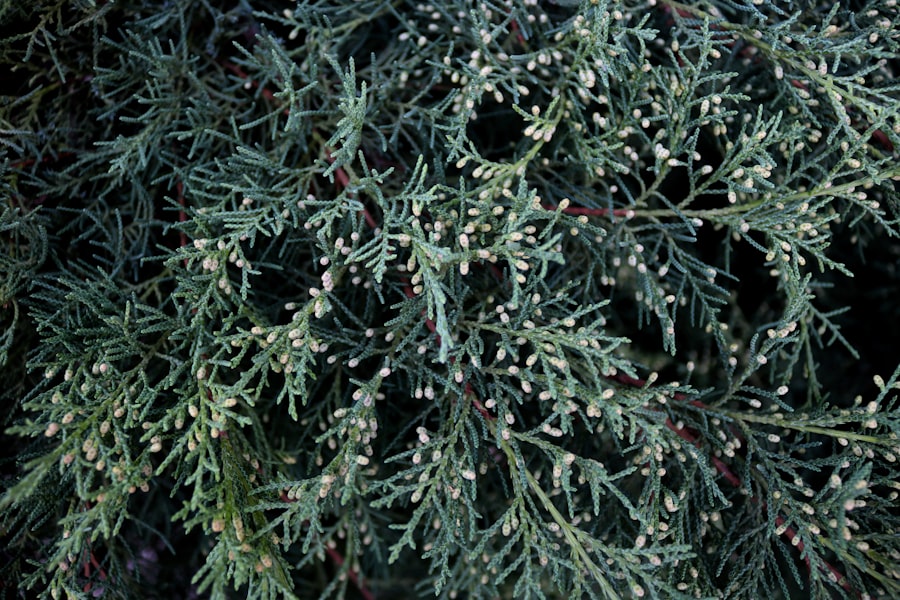
The medicinal properties of Equisetum sylvaticum can be attributed to its complex chemical composition. The plant is rich in silica, which is a key component that contributes to its structural integrity and resilience. Silica is known for its role in promoting healthy connective tissues, skin, hair, and nails.
This mineral is also believed to support bone health by enhancing calcium absorption and deposition. In addition to silica, Equisetum sylvaticum contains flavonoids, alkaloids, tannins, and phenolic acids, all of which contribute to its therapeutic effects. Flavonoids present in Equisetum sylvaticum exhibit antioxidant properties that help combat oxidative stress within the body.
This is significant because oxidative stress is linked to various chronic diseases, including cardiovascular conditions and certain types of cancer. The presence of tannins provides astringent qualities that can aid in wound healing and reduce inflammation. Furthermore, the alkaloids found in the plant may have mild sedative effects, promoting relaxation and alleviating anxiety.
Collectively, these compounds work synergistically to enhance the overall health benefits associated with Equisetum sylvaticum.
Modern research on the health benefits of Equisetum sylvaticum
| Health Benefit | Metric/Result |
|---|---|
| Antioxidant properties | High levels of phenolic compounds |
| Anti-inflammatory effects | Reduction in inflammatory markers |
| Wound healing | Accelerated wound closure |
| Bone health | Increased bone density in animal studies |
In recent years, scientific interest in Equisetum sylvaticum has surged as researchers seek to validate its traditional uses through empirical studies. Modern research has begun to uncover a range of health benefits associated with this ancient plant. For instance, studies have indicated that Equisetum sylvaticum may possess anti-inflammatory properties that could be beneficial for individuals suffering from conditions such as arthritis or other inflammatory disorders.
The plant’s ability to modulate inflammatory pathways suggests that it may play a role in reducing pain and swelling. Additionally, research has explored the diuretic effects of Equisetum sylvaticum, confirming its historical use as a natural remedy for urinary tract issues. Clinical trials have demonstrated that extracts from the plant can increase urine output and promote kidney function, making it a valuable ally for those seeking natural alternatives for urinary health.
Furthermore, preliminary studies have suggested potential antimicrobial properties, indicating that Equisetum sylvaticum may help combat certain bacterial infections. As research continues to evolve, the therapeutic potential of this plant is becoming increasingly recognized within the scientific community.
How to use Equisetum sylvaticum for healing purposes
Utilizing Equisetum sylvaticum for healing purposes can take various forms, depending on individual preferences and specific health goals. One common method is preparing an herbal infusion or tea by steeping dried horsetail leaves in hot water for several minutes. This infusion can be consumed daily to harness its diuretic properties and support urinary health.
For those interested in topical applications, a poultice made from fresh or dried horsetail can be applied directly to wounds or skin irritations to promote healing and reduce inflammation. Tinctures are another popular way to use Equisetum sylvaticum. By soaking the dried plant material in alcohol or vinegar for several weeks, one can create a concentrated extract that can be taken in small doses.
This method allows for easy incorporation into daily routines while maximizing the absorption of beneficial compounds. Additionally, capsules containing powdered horsetail are available for those who prefer a more convenient option without the need for preparation. Regardless of the method chosen, it is essential to consult with a healthcare professional before incorporating Equisetum sylvaticum into one’s wellness regimen.
Potential side effects and precautions when using Equisetum sylvaticum
While Equisetum sylvaticum is generally considered safe for most individuals when used appropriately, there are potential side effects and precautions that should be taken into account. One notable concern is the presence of thiaminase enzymes in horsetail species, which can break down thiamine (vitamin B1) in the body if consumed in excessive amounts over prolonged periods. This could lead to thiamine deficiency, particularly in individuals with pre-existing conditions or those who rely heavily on horsetail as a dietary supplement.
Additionally, due to its diuretic effects, individuals with kidney disorders or those taking medications that affect kidney function should exercise caution when using Equisetum sylvaticum. Pregnant or breastfeeding women are also advised to consult with healthcare professionals before using this herb, as there is limited research on its safety during these critical periods. As with any herbal remedy, it is crucial to start with small doses and monitor for any adverse reactions before increasing consumption.
The role of Equisetum sylvaticum in alternative and complementary medicine
Equisetum sylvaticum occupies a significant niche within alternative and complementary medicine practices. Its historical use as a natural remedy aligns well with the principles of holistic health approaches that emphasize treating the whole person rather than just symptoms. Practitioners of herbal medicine often incorporate Equisetum sylvaticum into formulations aimed at promoting kidney health, supporting connective tissue integrity, and enhancing overall vitality.
In addition to its individual applications, Equisetum sylvaticum is frequently combined with other herbs to create synergistic blends that enhance therapeutic effects. For example, it may be paired with dandelion root or nettle leaf in formulations designed to support detoxification and urinary function. The versatility of Equisetum sylvaticum makes it a valuable component in herbal dispensaries and wellness practices focused on natural healing modalities.
The future of Equisetum sylvaticum as a healing plant
As interest in natural remedies continues to grow within both mainstream and alternative medicine circles, the future of Equisetum sylvaticum appears promising. Ongoing research efforts are likely to further elucidate its medicinal properties and validate traditional uses through rigorous scientific inquiry.
With its rich history and diverse applications, this ancient plant stands poised to contribute significantly to our understanding of natural medicine’s potential benefits. As we continue to explore the depths of botanical knowledge, Equisetum sylvaticum remains a testament to the enduring relationship between humans and the natural world—a relationship that holds great promise for future generations seeking balance and well-being through nature’s gifts.
Equisetum sylvaticum, commonly known as Wood Horsetail, is a fascinating perennial plant that thrives in moist, shaded environments, often found in woodlands and forested areas. This plant is part of the Equisetaceae family and is known for its distinctive, feathery appearance, which sets it apart from other horsetail species. For those interested in learning more about the diverse world of plants, including the unique characteristics and habitats of species like Wood Horsetail, you can explore a related article on the Plant Kingdom website. This article provides insights into various plant species and their ecological significance. To read more, visit the Plant Kingdom article.
FAQs
What is Equisetum sylvaticum (Wood Horsetail)?
Equisetum sylvaticum, also known as Wood Horsetail, is a perennial herbaceous plant belonging to the Equisetaceae family. It is native to Europe and Asia and is commonly found in moist woodlands, marshes, and along streams.
What are the characteristics of Equisetum sylvaticum?
Wood Horsetail is characterized by its hollow, jointed stems that resemble bamboo. It produces spore-bearing cones at the tips of the stems and has whorls of needle-like branches at each joint. The plant can reach heights of up to 60 cm.
What are the uses of Equisetum sylvaticum?
Equisetum sylvaticum has been used in traditional medicine for its diuretic and astringent properties. It has also been used in herbal teas and infusions for its potential health benefits. Additionally, the plant has been used in gardening and landscaping for its ornamental value.
Is Equisetum sylvaticum invasive?
Wood Horsetail can be invasive in certain environments, particularly in wetlands and riparian areas. It has the potential to spread rapidly and outcompete native vegetation, leading to ecological imbalances.
Is Equisetum sylvaticum toxic to animals or humans?
While Wood Horsetail has been used in traditional medicine, it contains toxic compounds such as thiaminase, which can interfere with thiamine (vitamin B1) absorption in animals. As a result, excessive consumption of the plant by livestock can lead to thiamine deficiency and other health issues. It is important to use caution and seek guidance from a qualified herbalist or veterinarian before using Equisetum sylvaticum medicinally.